politics
Kashmir at crossroads after West Asian conflict
By Mareaya Fayaz | Mon May 04 2026
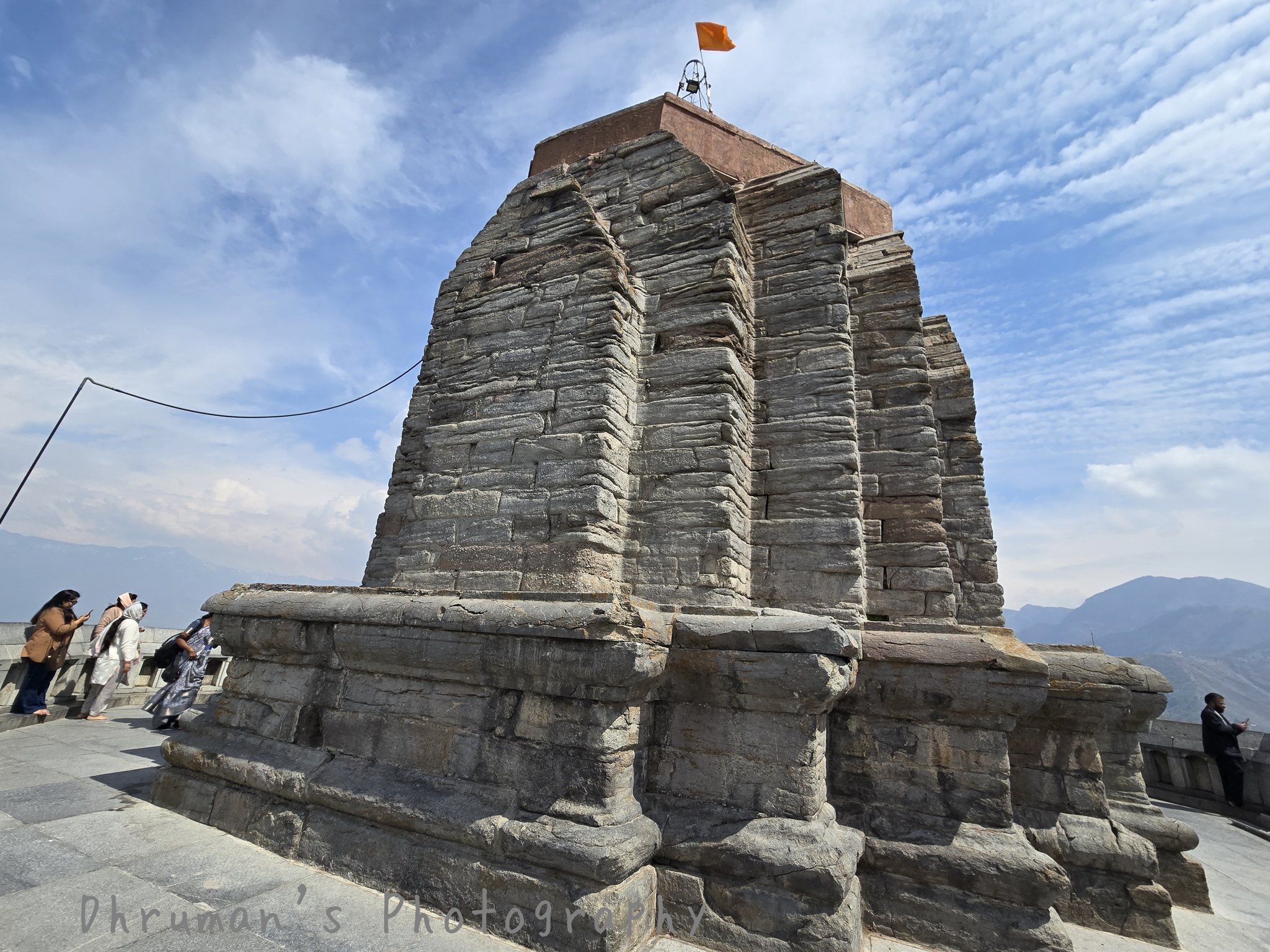
The escalating conflict between the United States, Israel and Iran has caused repercussions that extend well beyond the immediate battlefield. While the world’s headlines are dominated by the geopolitical concerns, areas like Jammu and Kashmir are discreetly preparing for economic repercussions. Kashmir is especially vulnerable because of its unstable, consumption driven economy, significant reliance on horticultural exports and sizable diaspora labour in the Middle East.
From apple orchards to market places, conversations around the Valley reveal an increasing sense of uneasiness. People are expecting actual changes in lives, prices and long term stability rather than just responding to headlines. The long queues at petrol pumps and LPG agencies, rationing of essential commodities all show the fear of the aftermath of the ongoing conflict.
Rising Inflation
Inflation is one of the first and most noticeable effects of global conflict, and Kashmiris are already worried about growing costs. Oil supply channels are frequently disrupted by wars involving major world powers, which causes fuel prices to soar. Higher fuel prices directly result in higher transportation costs for a region like Jammu and Kashmir, which is mostly dependent on imports for necessities. The cost of food, building supplies and everyday necessities rises as a result of this domino effect. Due to the Valley's rugged geography and logistical difficulties, traders caution that even a slight increase in gasoline prices might greatly increase the cost of products arriving there.
Furthermore, those with lower and moderate incomes are disproportionately affected by inflation. A sizable portion of Kashmir’s population relies on government jobs, small enterprises and agriculture; the region’s economy is not highly industrialized. Households with poor income elasticity may find it difficult to tolerate sustained price rises, which could result in lower consumption and slower economic growth.
Horticulture, particularly apple growing, is the foundation of Kashmir’s economy. The sector employs millions of people, both directly and indirectly, and contributes significantly to regional income. However, current geopolitical tensions have the potential to disrupt export markets and supply chains. The Middle East has long been an important market for Kashmiri goods. Any regional instability has the potential to disrupt demand, logistics and payment cycles. Shipping routes may become unpredictable, insurance rates may rise and customers may be hesitant to make significant purchases due to economic uncertainty. Furthermore, global market volatility can provide opportunities for competitive companies from other nations to gain market share. If Kashmiri exporters experience delays or higher costs, overseas purchasers may look for alternatives, creating long term damage to Kashmir’s horticultural economy.
Local traders are likewise concerned about home surplus. If exports decrease, crops may overwhelm local markets, lower prices and reducing farmers profits. This twin pressure falling selling prices and growing input costs has the potential to impose major strain on the sector.
Peoples Lifeline at Risk
For decades, the Middle East has provided an economic lifeline for many Kashmiri families. Thousands of workers from the region work in Gulf countries in sectors including as construction, services and retail. Remittances sent home serve an important role in maintaining household incomes and local spending.
However, with the violence cantered in the Middle East, Kashmiri expatriates are becoming increasingly concerned. Economic instability, business closures and security concerns may result in job losses or lower incomes. Workers in temporary or contract jobs are more vulnerable.
Families back home are already voicing concern about the uncertainty. Remittances are more than just supplemental income; for many families, they are the principal source of financial support. An abrupt disruption could have a direct impact on education, healthcare and daily living conditions.
Ishfaq Ahmad, who works at a multinational company in Abu Dhabi, share his views with KC and says, “I live in uncertainty that if conditions worsen I may have to leave my job. I have worked here for last 12 years and my kids go to school here. I have already sent my wife and children home amid safety concerns. I don’t know what I am going to do back home with no job or income.”
The likelihood of large scale return migration adds a further element of difficulty. If Kashmiri workers begin returning from the Middle East due to job losses or safety concerns, the local economy may struggle to accommodate them.
Jammu and Kashmir already has a significant unemployment rate, particularly among youth. The return of trained and semi skilled individuals would heighten competition for few job opportunities. Without sufficient planning and support structures, this could cause social and economic stress.
Furthermore, reintegration is not uncomplicated. Many returning workers may not find job that matches their abilities or past pay. Starting a new firm necessitates the acquisition of finance, infrastructure and market access, all of which are scarce commodities.
The psychological impact should also not be underestimated. Workers returning after years abroad may face uncertainty and a sense of displacement, further complicating their transition.
While some returning migrants may see business as a viable option, the reality on the ground creates considerable challenges. Access to credit remains a significant concern in Kashmir. Banks frequently request collateral and documents, which many individuals may be unable to supply.
Furthermore, the regional business climate is hampered by a lack of industrial infrastructure, regulatory difficulties and market uncertainty. Starting a business in such circumstances poses significant risks, particularly during an economic downturn. There’s also the issue of market saturation. Small firms, particularly in retail and services, are already functioning in a competitive market. New entrants may struggle to establish businesses without unique value propositions or external backing.
Beyond obvious economic indicators, the psychological aspect of uncertainty is essential. Fear of inflation, job loss and market volatility can all lead to lower consumer spending. When households anticipate terrible times ahead, they tend to reduce non-essential expenses. This behavioural shift may have a compounding effect on the economy. Reduced demand affects local firms, potentially reducing hiring or investment. Over time, this can lead to a self perpetuating economic slump. In Kashmir, where small enterprises dominate the economy, consumer confidence is especially crucial. A protracted period of uncertainty may depress entrepreneurial activity and impede economic recovery attempts.
Although not directly affected by the fighting, Kashmir’s tourism industry may suffer as well. Global geopolitical issues frequently affect travel behaviour. International tourists may postpone or cancel excursions for safety reasons, even if the region remains unaffected. Domestic tourism, which has been a major source of economic activity in recent years, may also slow if inflation lowers disposable incomes. Higher travel expenses and economic uncertainties may discourage discretionary vacation spending. Tourism provides a variety of jobs, from hotel owners and taxi drivers to artisans and street vendors. Any decline in this sector would have far-reaching effects.
Given the numerous challenges, there is an urgent need for proactive policy initiatives. To avoid excessive inflation, the authorities must closely monitor pricing patterns and ensure an adequate supply of critical commodities. Support for the horticulture industry is critical. This could involve supporting alternate export markets, giving transportation subsidies and ensuring that farmers receive timely payments. Strengthening cold storage and logistical facilities might also help to reduce losses.
Returning migrants require tailored rehabilitation programs. Skill mapping, financial support and credit are all options that can help them transition. Public works programs and job schemes may also offer temporary relief. Furthermore, creating a welcoming atmosphere for entrepreneurship through simpler rules, mentorship programs and market connections can stimulate self-employment.
The current geopolitical issue is more than just a far-off headline for many people in Jammu and Kashmir; it is gradually permeating daily life. A shopkeeper hesitating before replenishing inventory, a farmer questioning whether this year’s produce will find customers or a family nervously awaiting a call from a son employed in the Gulf are just a few examples of how it manifests in subtle but telling ways. Suddenly, it seems as though local reality and worldwide warfare are extremely close.
This moment serves as a reminder of how intertwined the globe has grown. The economic rhythm of regions like Kashmir can be subtly altered by decisions made in distant capitals, conflicts in oil routes or instability in West Asia. Additionally, the impact is frequently more profound and rapid due to the region’s economy’s heavy reliance on external connections, whether through horticultural exports, imports of necessities or remittances from migrant labour.
But Kashmir has experienced uncertainty in the past. Its residents are accustomed to upheaval and this lived experience frequently results in a particular form of resilience that is grounded, pragmatic and community-driven. Families pool resources, neighbours help one another and local networks fill in the gaps left by formal systems. Once more, this social resilience will be crucial in mitigating the effects.
However, resilience cannot sustain the load indefinitely on its own. It is obvious that prompt and careful intervention is required. The daily reality of farmers, traders, workers and returning migrants must be taken into consideration by policymakers, who must act not just swiftly but also compassionately. Support systems need to be available not just advertised. Markets must be safeguarded, not only monitored. And in order to reconstruct their lives, people returning from overseas will want more than simply pity.
Regaining confidence is equally crucial. Economies rely on expectations, trust and a sense of stability rather than just numbers. Recovery is feasible if people feel safe enough to invest, spend and make plans. Even minor shocks can develop into long term setbacks if uncertainty persists for too long.
Kashmir is in a precarious position as it observes events taking place far outside its boundaries. Its social structure and economic systems will probably be put to the test in the upcoming months. However, there is a well-known strength, the capacity to adjust, persevere and rebuild within that ambiguity. The result will rely on how well local systems react as well as how world events develop. The tale of Kashmir’s economic destiny is found in that equilibrium between vulnerability and resilience.
Related Articles
Reimagining Tourism Beyond Gondola
Waseem Hassan
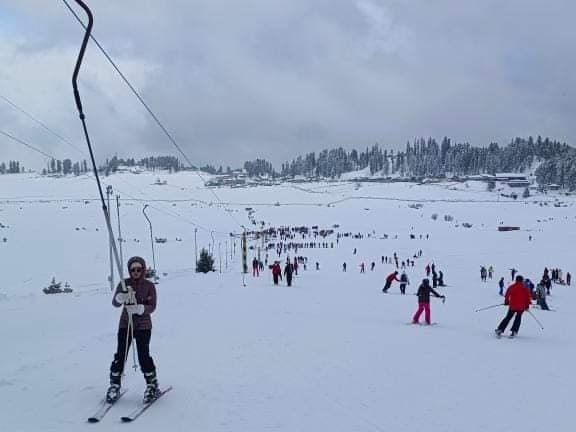
For decades, the idea of tourism in Kashmir has been inseparable from a familiar visual vocabulary. The image of the gondola ride at Gulmarg Gondola, the houseboats resting quietly on Dal Lake and the lush green gardens of Pahalgam have long defined the region’s tourist imagination.
Vanishing Waters of Kashmir
Yawar Yousef
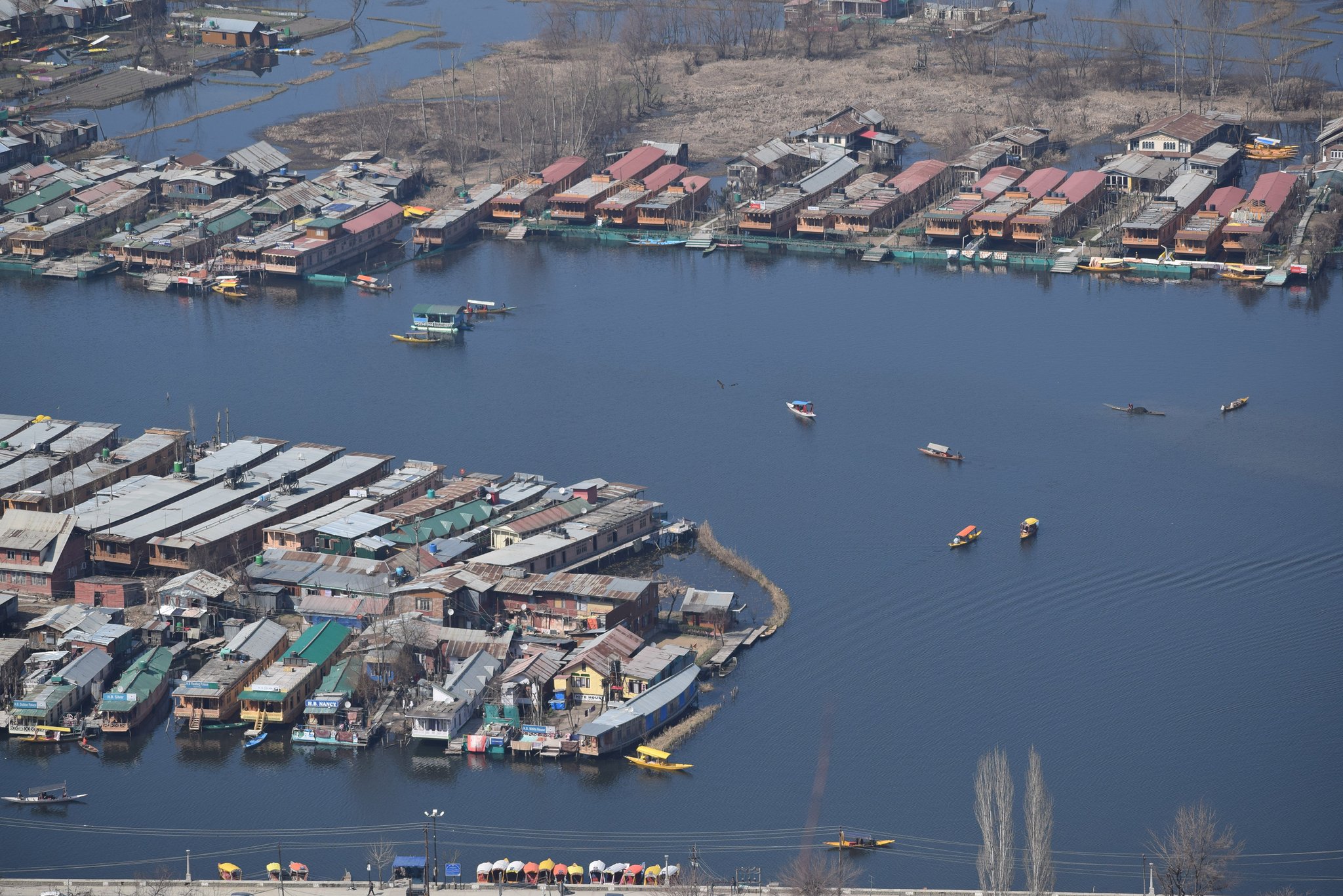
Jammu and Kashmir has for centuries been known as a land of extraordinary natural beauty, where snow-fed rivers, crystal springs, wetlands and lakes shaped not only the landscape but also the identity of its people. From the celebrated Dal Lake and Wular Lake to the countless lesser known alpine lakes,
How Internal Dissent is Eroding NC’s Credibility?
Mian Tufail
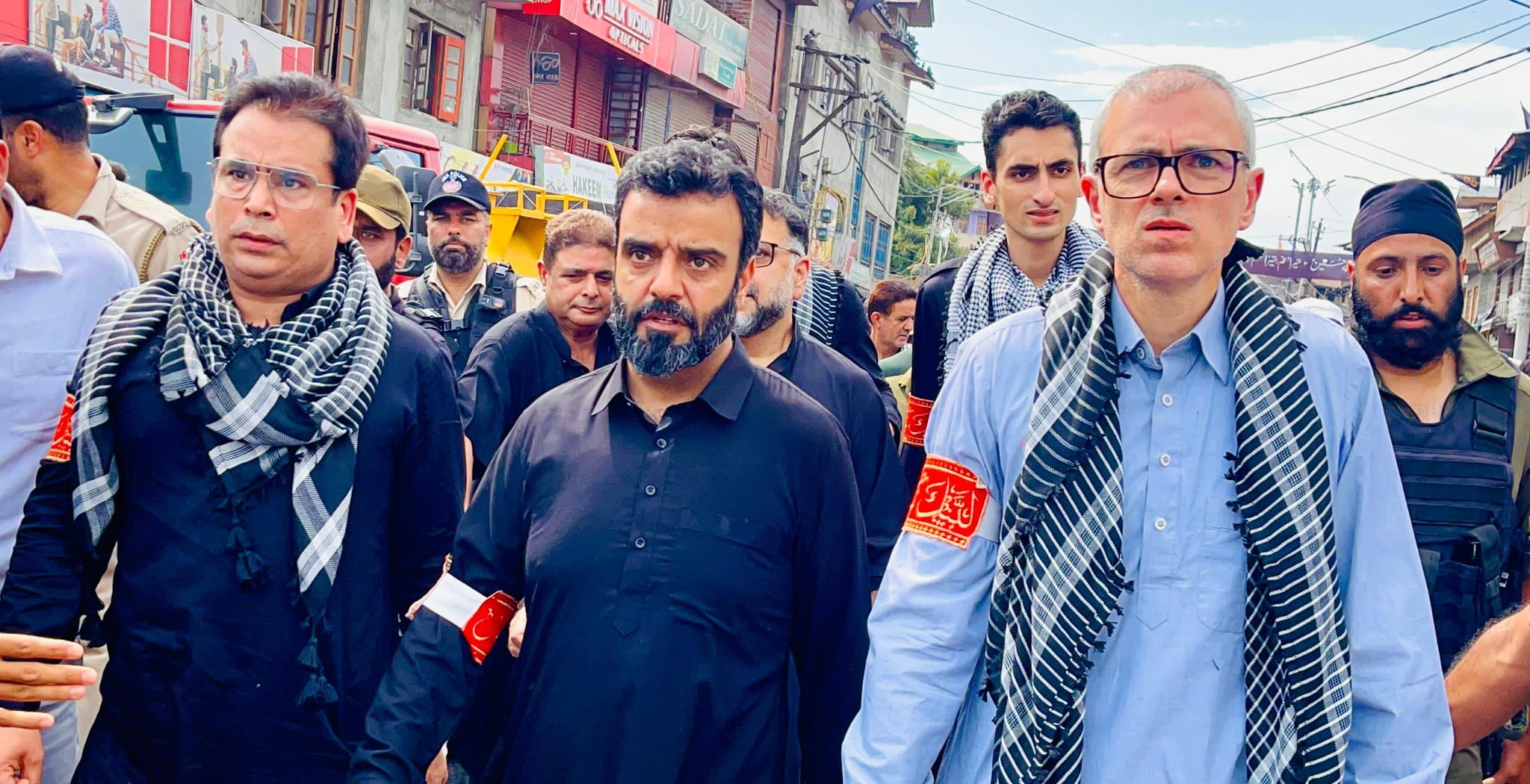
In a functioning democracy, three pillars legitimacy, authority and accountability are expected to operate in synchrony. Legitimacy, derived from the ballot, empowers a government with moral and political authority. Authority, in turn, enables governance.

Islam Beyond Arab Identity and Symbolism
Mohammad Zaid Malik
There are moments in history when a message emerges from a particular land yet refuses to belong to that land alone. Islam was one such message. It rose in the sands of seventh century Arabia but from its very inception, it spoke in a language meant for all of humanity.
TRANSITION FROM SECURITY GRID TO GOVERNANCE GRID
Bashir Assad
For much of the past three decades, the experience of the state in Kashmir has been defined by its visibility in security terms. Checkpoints, patrols and the pervasive architecture of surveillance constituted not merely an administrative arrangement but a lived reality that shaped how governance itself was perceived.
The Protest That Won’t Go Away
Rafi Ahmad Mir
Pakistan-administered Kashmir and the limits of political management