society
Islam Beyond Arab Identity and Symbolism
By Mohammad Zaid Malik | Fri May 01 2026
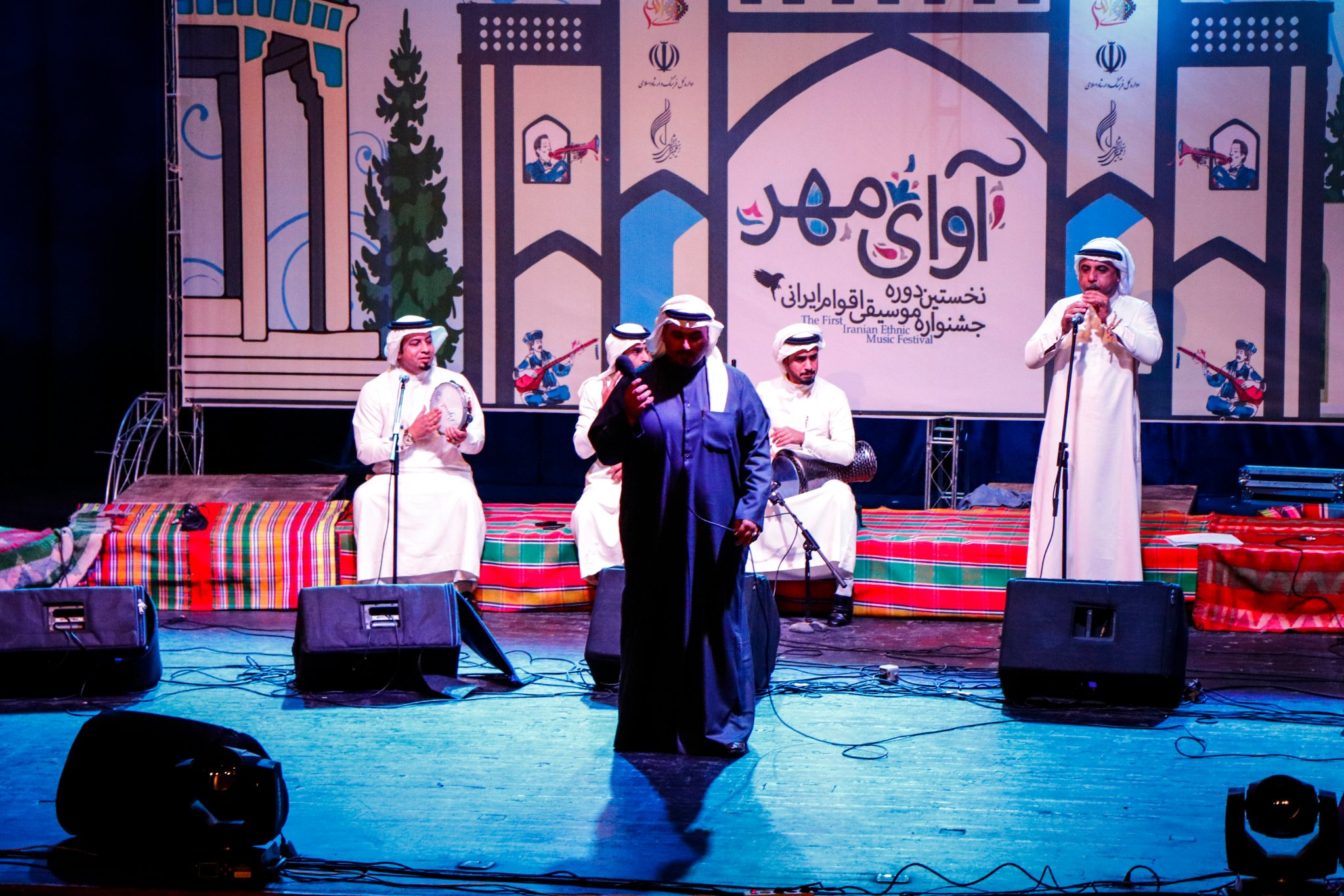
There are moments in history when a message emerges from a particular land yet refuses to belong to that land alone. Islam was one such message. It rose in the sands of seventh century Arabia but from its very inception, it spoke in a language meant for all of humanity. When Prophet Muhammad addressed his earliest followers, he was not laying the foundation of a tribe, a race or a civilisation bound to geography; he was articulating a moral and spiritual vision meant to transcend them all.
Within a remarkably short span of time, this vision traveled far beyond the Arabian Peninsula. It reached Persia, North Africa, Central Asia and eventually the Indian subcontinent. But what made this expansion extraordinary was not merely its speed or its political reach, it was the way Islam took root in different soils without uprooting the cultures it encountered. It created a shared spiritual center while allowing diverse cultural expressions to flourish around it.
At the heart of this universality was the idea of the Ummah, a community defined not by bloodline or territory but by faith. In this community, an Arab stood beside a Persian, a Turk beside an Indian, an African beside a Central Asian. They prayed in the same direction, recited the same Qur’an and believed in the same God. Yet they spoke different languages, wore different garments and preserved their distinct ways of life.
From the deserts of Arabia to the valleys of Kashmir, Islam has endured as a universal faith shaped by diverse cultures. This article reflects on that legacy while examining contemporary shifts that blur the line between religion and cultural imitation, urging a rediscovery of Islam’s core values rooted in plurality, balance and authenticity.
This distinction between faith and culture is not incidental; it is foundational. Islam offered a moral compass, not a cultural mold. It provided principles of justice, compassion, humility and devotion but it did not impose a single way of dressing, speaking or living socially. As the great scholar Imam Al-Ghazali once emphasized, the essence of faith lies in the purification of the heart and the sincerity of intention, not in outward conformity to any particular cultural form.
For centuries, this balance defined the Muslim world. Even as political authority shifted from the Umayyads to the Abbasids and later to other empires, the sacred cities of Mecca and Medina remained spiritual anchors for all Muslims, not symbols of ethnic ownership. Islam’s strength lay precisely in this ability to unify without homogenizing.
Nowhere is this historical dynamic more evident than in South Asia and particularly in Kashmir.
Islam arrived in the Kashmir valley not through conquest but through the gentle influence of saints, scholars and traders. Figures like Shah Mir Sayyid Ali Hamadani played a transformative role in shaping the spiritual and cultural landscape of the region. They did not seek to erase local traditions; rather, they engaged with them, refined them and infused them with Islamic ethical and spiritual values.
What emerged over centuries was a distinctly Kashmiri expression of Islam deeply spiritual, inward looking and harmoniously woven into the cultural fabric of the land. The rhythms of life in the valley, from its poetry and crafts to its architecture and attire, reflected this synthesis. The pheran, the shrines nestled among chinar trees, the soft cadence of Kashmiri devotional poetry, all became part of a lived Islam that felt both universal and intimately local.
This historical experience underscores a crucial truth: Islam has never required cultural imitation to sustain itself. On the contrary, it has thrived precisely because it allowed cultures to retain their identity while aligning with its moral framework.
Yet, the modern era has introduced new complexities.
The collapse of traditional empires after the first World War and the rise of nation states fragmented the political unity of the Muslim world. In the Arabian Peninsula, new states emerged, each shaped by its own national priorities. Over time, a subtle but significant shift began to take place. Cultural practices associated with the Arab world increasingly came to be perceived, in some circles, as markers of authentic Islamic identity. This shift has had far reaching consequences.
In many Muslim societies, including Kashmir, adopting Arab styles of dress, language and outward expression has gradually been conflated with religious devotion. The abaya replacing the pheran, the adoption of Arabian robes in religious spaces and the growing preference for imported symbols of piety are not merely changes in fashion, they signal a deeper transformation in how identity is understood. But this transformation raises an important question: when did faith become synonymous with cultural imitation?
Islam, as a religion, does not prescribe a uniform dress code tied to any specific geography. Modesty is a principle; its expression has historically varied across cultures. The assumption that one must resemble a particular region to be a better Muslim is not rooted in the core teachings of Islam. It is, rather, a product of historical and social developments that blur the line between religion and culture.
The renowned scholar Ibn Khaldun observed centuries ago that societies often imitate dominant cultures, especially when they perceive them as powerful or authoritative. This insight resonates strongly in the present context. The increasing association of Arab cultural forms with religious authenticity reflects not a theological necessity but a sociological tendency.
In Kashmir, this tendency carries particular implications.
The valley’s cultural heritage is not superficial; it is a repository of collective memory and identity. The traditional attire, the local forms of religious expression, the centuries-old practices rooted in the land, these are not obstacles to faith. They are vessels through which faith has been lived and transmitted across generations.
When these cultural elements are sidelined in favor of imported symbols, something deeper is at stake. It is not merely a change in appearance but a gradual distancing from one’s own historical and cultural roots. Younger generations, observing these shifts, may begin to internalize the idea that their inherited traditions are somehow less Islamic, less authentic or less worthy. This creates a false and unnecessary tension.
Faith and culture are not adversaries. They operate on different planes. Faith provides ethical direction and spiritual meaning; culture provides context and expression. Confusing the two leads to a narrowing of both.
True religiosity cannot be measured by attire alone. It is reflected in character, in honesty, in compassion, in the way one treats others and in the sincerity of one’s relationship with God. A person clothed in the simplest local garment may embody the highest ideals of Islam, while another, dressed in the most visibly “Islamic” attire, may fall short of those same ideals.
Kashmir, with its layered history and rich cultural inheritance, stands at a delicate crossroads. The challenge it faces is not unique but it is deeply felt. It is the challenge of preserving a cultural identity while remaining firmly rooted in faith. This is not an either or choice.
A Kashmiri Muslim does not need to become culturally Arab to be spiritually authentic. The snow covered landscapes of the valley, the warmth of its traditional attire, the echoes of its local prayers and poetry, these are not deviations from Islam. They are expressions of a faith that has found a home in a particular place and time.
To preserve this balance requires awareness, especially among the youth. It requires an understanding that Islam’s universality lies in its principles not in any single cultural expression. It requires the confidence to embrace one’s heritage without feeling that it compromises religious commitment. The future of Muslim societies, including Kashmir, depends in part on reclaiming this understanding.
The divisions that mark the contemporary Muslim world cannot be resolved through imitation or uniformity. They can only be addressed by returning to the foundational values that once made Islamic civilization a beacon of intellectual and moral vitality, justice, openness, humility and a respect for diversity within unity.
Recognizing the distinction between faith and culture is not a minor intellectual exercise; it is a necessary step toward restoring that balance. It allows communities to remain rooted without becoming rigid and to remain open without losing their identity.
Islam began as a universal message and it remains one. Its strength has never depended on cultural sameness but on its ability to guide diverse peoples toward a shared moral horizon.
In the quiet valleys of Kashmir, as in the bustling cities of the wider Muslim world, that horizon still calls. The task is not to imitate but to understand. Not to replace but to refine. Not to abandon identity but to elevate it through faith. And perhaps, in that balance, lies the true continuity of both heritage and belief.
Related Articles
Reimagining Tourism Beyond Gondola
Waseem Hassan
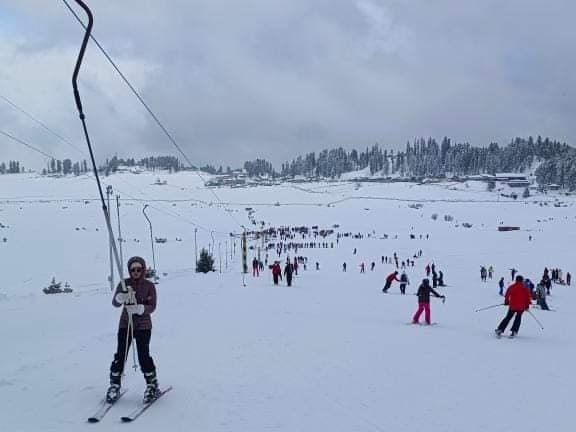
For decades, the idea of tourism in Kashmir has been inseparable from a familiar visual vocabulary. The image of the gondola ride at Gulmarg Gondola, the houseboats resting quietly on Dal Lake and the lush green gardens of Pahalgam have long defined the region’s tourist imagination.
Kashmir at crossroads after West Asian conflict
Mareaya Fayaz
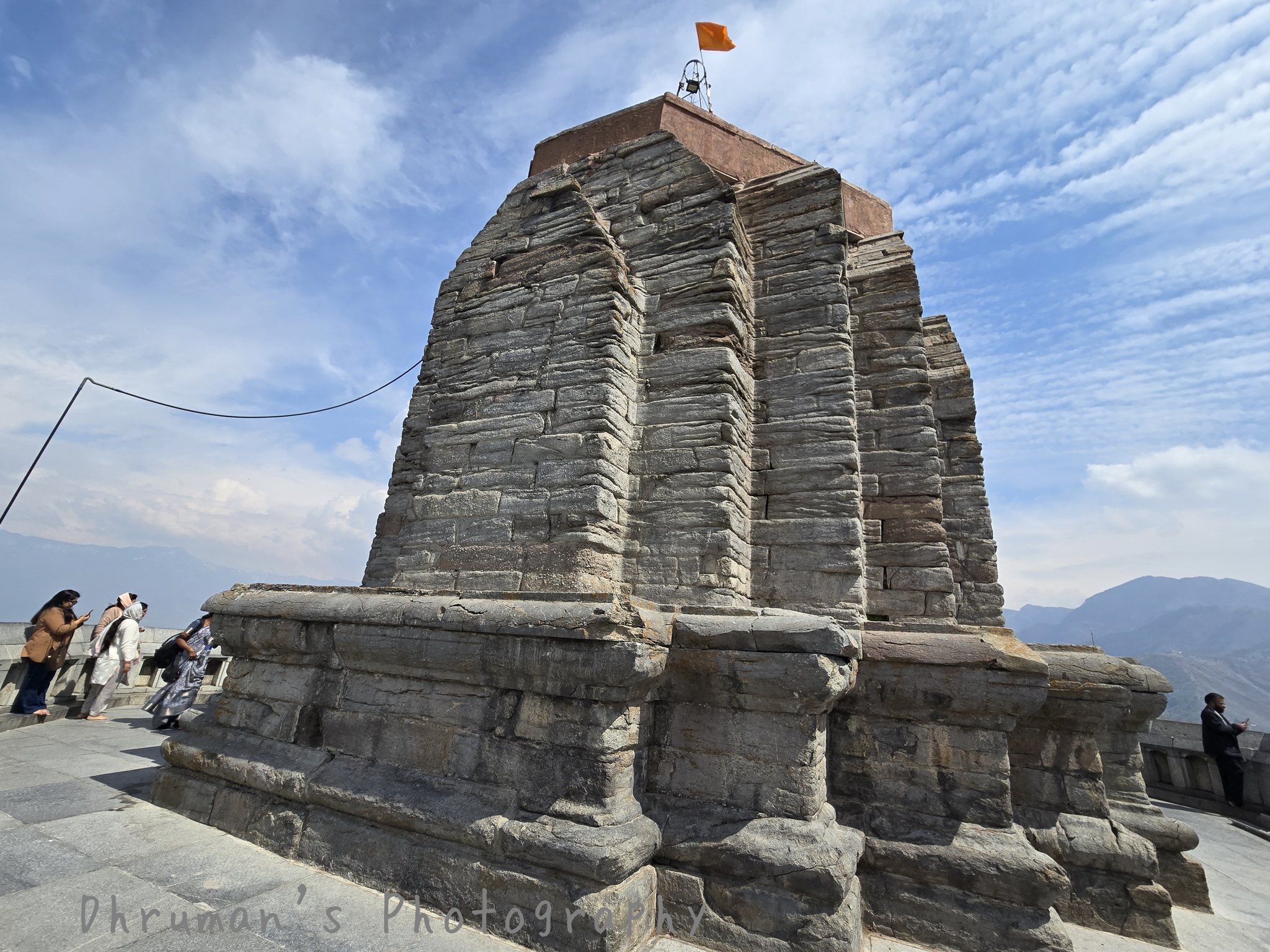
The escalating conflict between the United States, Israel and Iran has caused repercussions that extend well beyond the immediate battlefield. While the world’s headlines are dominated by the geopolitical concerns, areas like Jammu and Kashmir are discreetly preparing for economic repercussions.
Vanishing Waters of Kashmir
Yawar Yousef
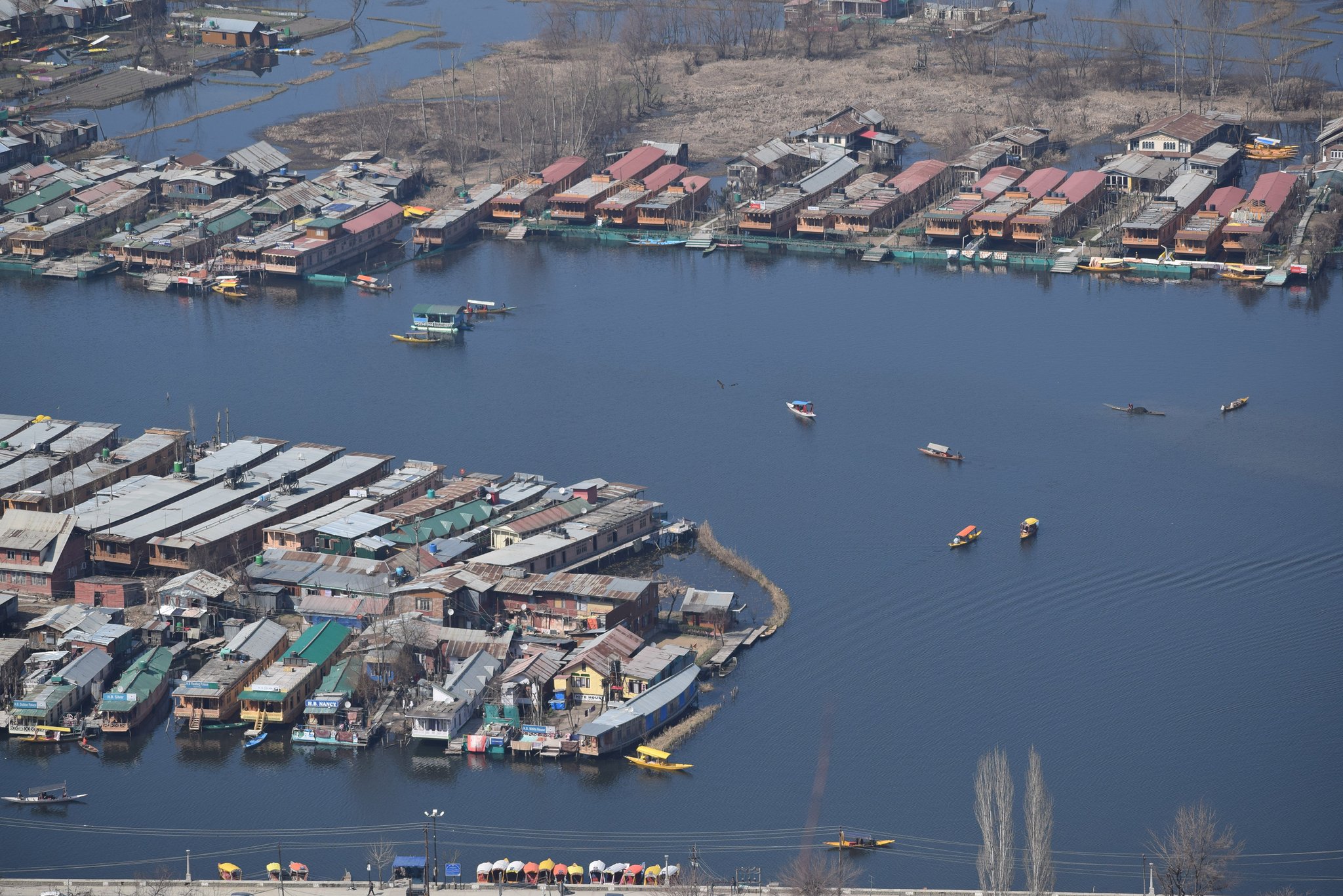
Jammu and Kashmir has for centuries been known as a land of extraordinary natural beauty, where snow-fed rivers, crystal springs, wetlands and lakes shaped not only the landscape but also the identity of its people. From the celebrated Dal Lake and Wular Lake to the countless lesser known alpine lakes,
How Internal Dissent is Eroding NC’s Credibility?
Mian Tufail
In a functioning democracy, three pillars legitimacy, authority and accountability are expected to operate in synchrony. Legitimacy, derived from the ballot, empowers a government with moral and political authority. Authority, in turn, enables governance.

TRANSITION FROM SECURITY GRID TO GOVERNANCE GRID
Bashir Assad
For much of the past three decades, the experience of the state in Kashmir has been defined by its visibility in security terms. Checkpoints, patrols and the pervasive architecture of surveillance constituted not merely an administrative arrangement but a lived reality that shaped how governance itself was perceived.

The Decade of Connectivity How Roads, Railways and Digital Networks Are Reshaping Kashmir
Yawar Yousef/Yasir Lone
For much of its modern history, Kashmir has been discussed through the language of conflict, diplomacy, security, and constitutional politics. Governments changed, policies evolved, and public debates shifted, yet the dominant narratives surrounding the region remained remarkably consistent.