society
WHY EDUCATED KASHMIRI YOUTH ARE CHOOSING TO COME BACK?
By Sohail Ahmad | Tue Mar 17 2026
On a pale winter morning, as mist rises gently above the waters of the Dal Lake and shopkeepers lift their shutters in civil lines area in Srinagar, 29-year-old Aamir opens his laptop in a quiet cafe overlooking the boulevard. His screen flickers to life with dashboards, data streams and code repositories connected to a fintech firm headquartered in Pune. Five years ago, his mornings began differently with Bengaluru traffic, glass towers and rented apartments shared with strangers. Today, he works the same job, earns the same salary and collaborates with the same team but from the city he once believed he had to leave to succeed.
“I used to think ambition meant distance,” he reflects. “Now I’m not so sure.”
Aamir’s decision is not dramatic enough for headlines. It has not been recorded in migration data or policy briefings. Yet it represents something quietly significant. Across Jammu & Kashmir, a subtle recalibration is underway. Educated youth who once migrated for higher studies, corporate employment and professional training are beginning cautiously to return. Not in hounds which could form statistics. Not in waves but in steady, deliberate steps.
For decades, outward migration defined aspiration in the region. Engineering graduates left for southern India’s technology hubs. Civil services aspirants relocated to Delhi’s coaching districts. Hospitality students sought placements in Mumbai, Goa or abroad. The motivations were practical and compelling: limited local industry, constrained private sector growth, episodic instability and a pervasive belief that opportunity required geographical separation from home. Parents encouraged departure. Students internalised it. Success was often measured in miles travelled.
But the past few years have reshaped global work patterns. The pandemic accelerated the normalisation of remote employment. Distributed teams became common. Physical presence in corporate offices became negotiable. Companies learned to manage productivity without centralised workplaces. High-speed internet connectivity, once inconsistent in parts of the Jammu and Kashmir, has expanded. Digital infrastructure has strengthened. The geography of employment has quietly loosened.
For many young professionals from Kashmir, this shift has opened a door that did not previously exist: the possibility of earning metropolitan incomes while residing locally.
The economics are persuasive. Living costs in cities such as Bengaluru, Delhi or Mumbai have risen sharply. Rent, transport, schooling and lifestyle expenses often consume substantial portions of salaries. By contrast, residing in Srinagar or Jammu significantly reduces expenditure while preserving income streams tied to national or international markets. For some, returning home is not merely sentimental. It is financially rational.Yet economics alone does not fully explain the silent return.
There is also emotional capital at play. The weight of aging parents, the pull of familiar language and the comfort of shared memory. Years spent in distant cities often bring professional growth but also a sense of cultural dislocation. Festivals are celebrated virtually. Family milestones are missed. The landscape of childhood becomes a place visited during annual leave. In this context, returning does not signify retreat. It represents recalibration.
Tourism revival has further strengthened the sense that opportunity can exist locally. Destinations such as Gulmarg, Sonamarg and Pahalgam have experienced renewed visitor interest, particularly during winter seasons. Promotional campaigns and sporting events have projected images of stability and hospitality. Hotels report encouraging occupancy during peak months. Transport and ancillary services benefit from seasonal surges.
But beyond the macro narrative of tourism growth lies a more nuanced development. Returning youth are not limiting themselves to traditional roles within established businesses. Many are entering the sector as creators rather than employees. Boutique homestays are emerging in orchard properties. Curated trekking experiences are being marketed directly to niche audiences through digital platforms. Food entrepreneurs are reimagining traditional Kashmiri cuisine for contemporary consumers. Travel planners operate from laptops, coordinating bookings and itineraries across districts.
These ventures are modest in scale but significant in implication. They suggest a shift from dependency on public sector employment toward diversified private initiative.
Perhaps the most under-acknowledged dimension of this transformation is the rise of women led entrepreneurship. Social media platforms have become storefronts for craft revival, apparel innovation, culinary ventures and educational services. Young women who pursued higher education outside the region are returning with new skills and broader exposure. Some launch online tutoring academies serving students across India. Others create brands that blend traditional aesthetics with modern design sensibilities. Digital payments and courier networks allow products crafted in Srinagar to reach customers in metropolitan markets without intermediaries.
Operating from home, these entrepreneurs circumvent infrastructural and cultural constraints that once limited female economic participation. The implications extend beyond income generation; they reshape perceptions of women’s roles within local economies.
At the same time, agriculture, the backbone of rural livelihoods is experiencing cautious experimentation. Young graduates are exploring cold storage solutions for apple supply chains, branding initiatives for saffron and organic certification models to access premium markets. Technology driven approaches to irrigation, soil monitoring and direct-to-consumer sales are emerging in pockets. These initiatives remain fragile, often dependent on individual risk-taking rather than systemic support. Yet they signal that returning youth are not abandoning traditional sectors; they are attempting to modernise them. The silent return, however, is not a seamless success story.
Structural constraints remain formidable. Venture capital is scarce. Angel investment networks are underdeveloped. Regulatory procedures can be daunting for first time entrepreneurs. Outside central Srinagar, co-working spaces and collaborative hubs are limited. Seasonal fluctuations in tourism create income volatility. Youth unemployment, particularly among graduates without remote employment, continues to pose serious challenges. Competitive exam preparation remains a dominant pathway for many, reflecting both aspiration and scarcity of alternatives.
Educational institutions stand at a crossroads. Universities and colleges must align curricula with emerging economic realities. Training in renewable energy, sustainable tourism management, digital services, agritech innovation and entrepreneurial finance could bridge the persistent gap between degrees and employability. Partnerships between academia and industry including structured internships and incubation centres would convert isolated return stories into systemic momentum. Without such ecosystem development, the silent return risks remaining confined to those already employed remotely or financially secure enough to experiment.
There is also a psychological dimension to consider. For years, departure was almost synonymous with progress. To leave was to advance; to return was often interpreted as compromise. That narrative is evolving. Migration is becoming cyclical rather than permanent. Professional identity no longer requires permanent separation from home. Youth are beginning to imagine careers that are geographically fluid shaped by digital connectivity rather than fixed office locations.
This shift in imagination may prove more consequential than any infrastructure investment.
It would be premature to declare a large scale reverse migration. The numbers are not yet clearly visible in official data. The movement remains dispersed, anecdotal and personal. Many continue to leave and many will continue to do so in pursuit of specialised education and career growth. The silent return does not negate outward mobility; it complements it.
But social change often begins at the margins, not the centre. What appears anecdotal today may form the foundation of tomorrow’s trend.
March in Kashmir offers an apt metaphor. Snow recedes slowly. Almond blossoms emerge tentatively along bare branches. Transformation does not announce itself with spectacle. It unfolds quietly, persistently, beneath the surface.
In cafes along the Jhelum River in Srinagar, in modest home offices overlooking neighbourhood lanes, in orchard homes being converted into guest lodges and in classrooms where digital screens connect local tutors to national audiences, a recalibration is underway. It is not loud enough for prime time debate. It does not fit neatly into political binaries. It is neither triumphalism nor despairing. It is simply a generation reconsidering its relationship with home.
Whether this recalibration evolves into durable transformation will depend on policy responsiveness, infrastructure expansion, financial inclusion and social openness. If nurtured thoughtfully, it could convert intellectual capital into local capacity, reduce brain drain and stimulate diversified economic growth. If neglected, it may dissipate into isolated stories of individual resilience.
For now, however, the significance lies in the choice itself. A choice made not out of compulsion but out of conviction. A choice that suggests ambition and belonging need not be mutually exclusive.
The future of Jammu & Kashmir will continue to be shaped by complex political, social and economic forces. Yet amid those larger currents, the quiet decisions of individuals’ matter. Each return is a statement that possibility exists here, that roots can coexist with reach, that home can be a site of innovation rather than limitation.
And perhaps, in these unheralded returns, lies the outline of a different narrative for Kashmir, one written not in departure but in deliberate return.
Related Articles
As the tide shifts…
Dr. Mareaya Fayaz
JAMMU & KASHMIR. Here, a complex tapestry of political, social, and historical threads, weaves the narrative of a place long marred by conflict. The recent years, however, have witnessed a subtle but significant transformation in the security environment, offering a glimmer of hope for peace, progress and a renewed sense of ambition in the valley.
BRINGING KASHMIR’S BORDER AREAS ONTO THE TOURISM MAP
Dr. Mareaya Fayaz
For decades, Kashmir’s tourism narrative revolved around its iconic destinations like, Gulmarg’s snowy slopes, Pahalgam’s pastoral charm and Srinagar’s shimmering Dal Lake. Yet beyond these celebrated landscapes lies another Kashmir, tucked along the Line of Control where valleys unfold in silence, rivers cut through rugged terrain and villages stand as living testimonies of resilience.
SNOWLESS WINTERS, SCORCHED ORCHARDS
Mian Tufail
In Kashmir, winter has always been more than a season. It is the valley’s silent architect, shaping rivers, nourishing springs and preparing orchards for the bloom of spring. Snow resting on the Pir Panjal and the higher Himalayas has traditionally functioned as a natural reservoir, melting slowly to sustain agriculture and drinking water systems through summer.
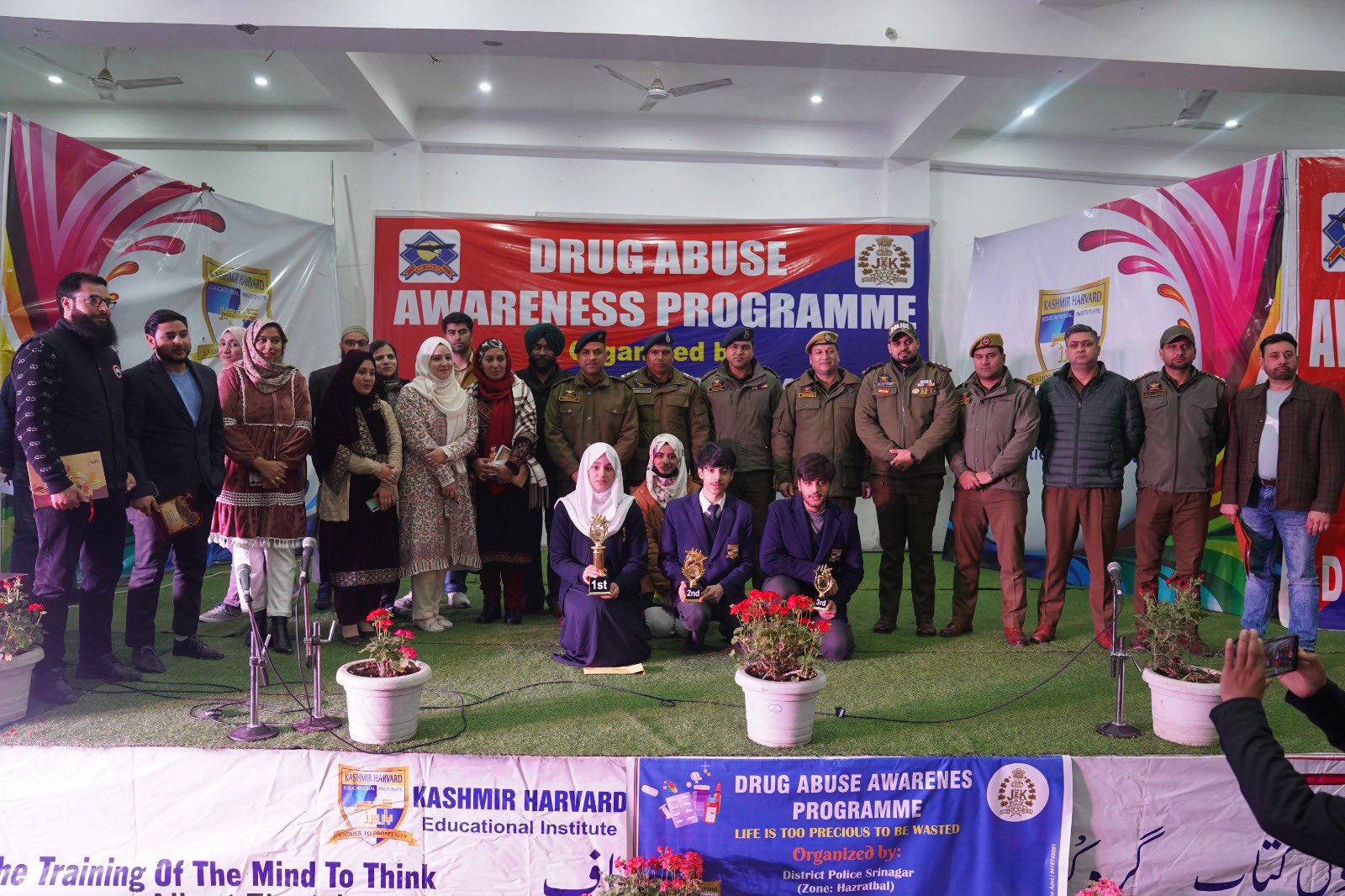
NARCO-TERRORISM AS HYBRID WARFARE AND THE CENTRALITY OF J&K POLICE
Mohammad Zaid Malik
Hybrid warfare does not announce itself with tanks or troop movements. It advances silently, exploiting social fractures, psychological vulnerabilities and illicit economies. In Kashmir, narcotics have become one of the most effective non-kinetic weapons deployed against internal stability. The response to this threat has not been led from distant command rooms or border posts but from within society itself.
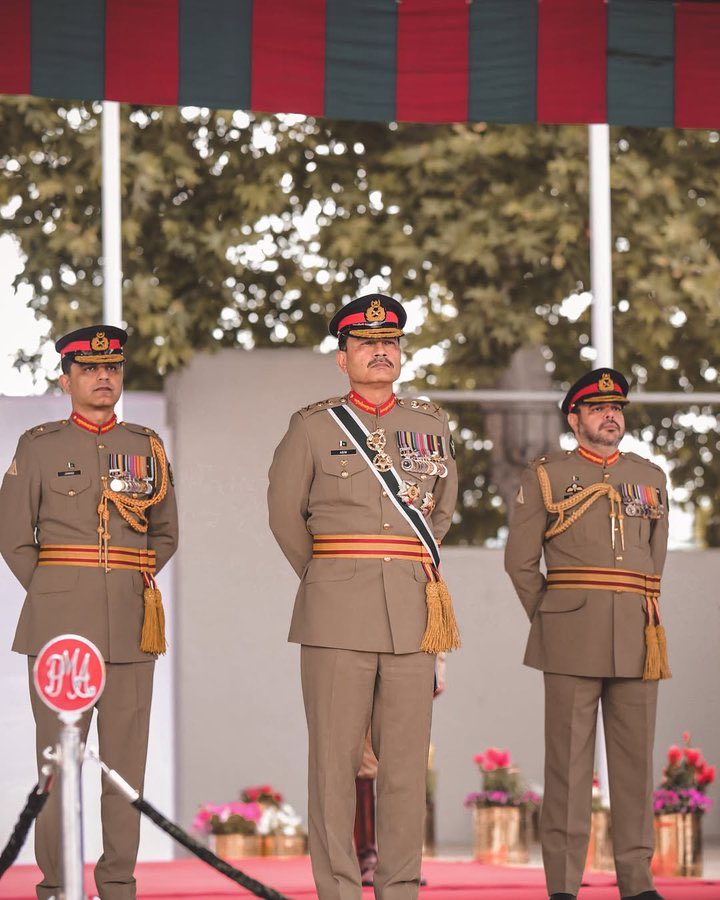
PAKISTAN’S VANISHING DEMOCRATIC SPACE ECHOES OF ZIA IN ASIM MUNIR’S ERA
Bashir Assad
Watching General Asim Munir steadily undermine Pakistan’s political system, consistently shrinking the space for elected leadership and leaving almost no room for civilian voices in domestic governance or diplomatic decision-making, I chose to write on the legacy of General Zia-ul-Haq.
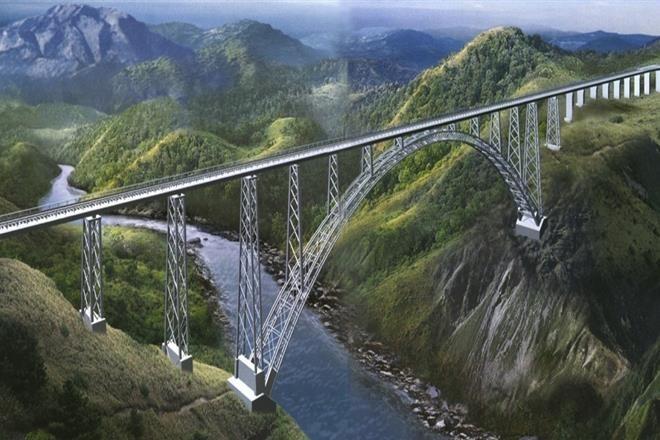
The Decade of Connectivity How Roads, Railways and Digital Networks Are Reshaping Kashmir
Yawar Yousef/Yasir Lone
For much of its modern history, Kashmir has been discussed through the language of conflict, diplomacy, security, and constitutional politics. Governments changed, policies evolved, and public debates shifted, yet the dominant narratives surrounding the region remained remarkably consistent.