society
SNOWLESS WINTERS, SCORCHED ORCHARDS
By Mian Tufail | Tue Mar 17 2026
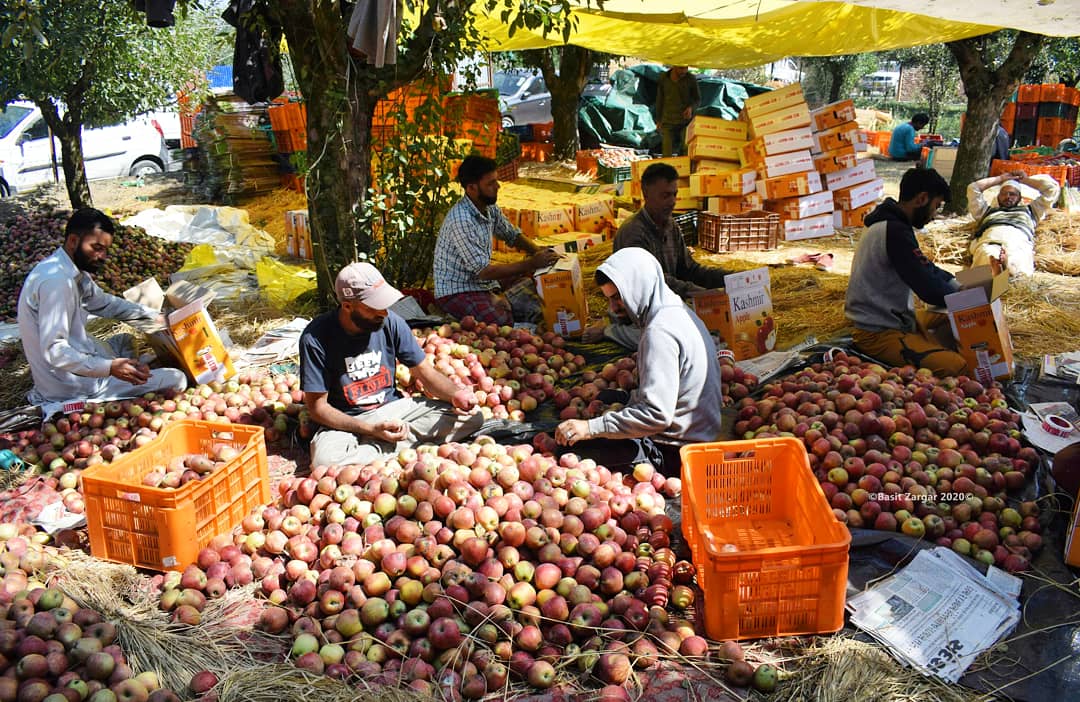
In Kashmir, winter has always been more than a season. It is the valley’s silent architect, shaping rivers, nourishing springs and preparing orchards for the bloom of spring. Snow resting on the Pir Panjal and the higher Himalayas has traditionally functioned as a natural reservoir, melting slowly to sustain agriculture and drinking water systems through summer. This winter, however, the valley has been confronted with a disquieting absence of snowfall, of rainfall and of the climatic certainty that once defined life in Kashmir.
The winter of 2025-26 has unfolded with prolonged dry spells and unusually warm days, culminating in Srinagar recording temperatures close to 20°C in mid-February, nearly ten degrees above normal. For residents, the warmth may have felt pleasant but for orchardists and environmental observers it signaled a deeper disruption. Weak western disturbances, vanishing snowfall and precipitation deficits exceeding 50 per cent across many parts of Jammu and Kashmir have collectively pointed toward what climate scientists now describe as a snow drought, a winter lacking the snowpack essential for ecological and economic stability.
Snowless winters and prolonged dry spells are stressing Kashmir's orchards, threatening apple production and the livelihoods tied to the valley's horticulture economy, while signalling a deeper climate with far reaching ecological and economic consequences.
Nowhere is this climatic shift more visible than in the orchards that define Kashmir’s rural landscape. Apple belts stretching across Shopian, Pulwama, Baramulla and Kupwara are showing early signs of stress. Orchardists speak of moisture starved soil, sun burnt buds and premature fruit fall as witnessed in 2025, indicators that the crisis is no longer abstract but unfolding in real time. Ghulam Mohammad Bhat, an apple grower from Sopore, captures the anxiety shared by many farmers. Talking to KC, he said, “Two months without rainfall have exposed orchards to relentless sunlight, damaging buds and would reduce quality. We farmers dependent entirely on rain fed cultivation, the absence of winter precipitation have become a threat to both our yield and livelihood.”
The vulnerability of rain fed orchards is a structural reality of Kashmir’s horticulture. Official estimates indicate that nearly sixty per cent of orchards lack assured irrigation, relying instead on seasonal rainfall and snowmelt. This dependence has rarely been problematic in the past when winters delivered consistent snowfall. Today, however, climate variability has exposed the fragility of that system. Experts warn that moisture stress not only affects the current crop but weakens tree health and reduces flowering potential in subsequent seasons, setting off a cycle of declining productivity.
The scale of the challenge becomes more evident when viewed through the lens of the valley’s economy. Horticulture is not merely an agricultural activity in Kashmir; it is a cornerstone of economic life. More than 3.5 lakh hectares are under apple cultivation, producing between 20 and 25 lakh metric tonnes annually. Nearly half of Kashmir’s population is directly or indirectly linked to the sector, whether through farming, labour, packaging, transport or trade. The apple industry alone contributes close to ten per cent of the region’s economic output and generates millions of workdays each year. A disruption to this sector therefore reverberates far beyond orchards, affecting rural incomes, market dynamics and allied industries.
Agricultural economists caution that the effects of climate variability on horticulture can ripple through the entire economic ecosystem. Reduced fruit size and quality translate into lower market prices, shrinking farmer incomes and diminished employment for seasonal workers. Cold storage units, transporters and traders experience reduced volumes, while export markets face supply fluctuations. In a region where horticulture forms the backbone of rural cash flow, even modest production declines can reshape consumption patterns and economic stability.
The scientific explanation for the unfolding scenario lies in the warming trend observed across the western Himalayas. Rising temperatures are increasingly converting snowfall into rainfall and reducing the duration for which snow remains on mountain slopes. Independent weather observers note unusual developments at higher altitudes, including the possibility of routes like Mughal Road remaining open during February, a rare occurrence historically. Such changes reflect not just short term weather anomalies but a gradual climatic shift altering the valley’s hydrological rhythm.
Hydrologists emphasise that winter snow is central to Kashmir’s water security. Gradual snowmelt feeds the Jhelum river, irrigation canals, wetlands and springs, sustaining agriculture through the dry months. Reduced snowpack therefore threatens summer water availability, drinking water supply and hydropower generation. Observations from recent warm winters have already shown declining discharge from several springs, raising concerns about groundwater recharge and long term water stress.
The horticulture sector faces an additional biological challenge in the form of disrupted chilling hours. Apple trees require prolonged cold exposure during dormancy to ensure proper flowering and fruiting. Warmer winters interfere with this natural cycle, leading to irregular blooming, poor fruit set and increased susceptibility to pests and diseases. Agricultural scientists warn that repeated warm winters could gradually push apple cultivation to higher altitudes, leaving lower belts less productive or even unsuitable for traditional varieties.
Environmental observers caution that the combined effects of reduced snowfall, declining spring discharge and stressed vegetation may represent early signs of ecological degradation. While the notion of desertification may seem exaggerated for a region known for its water resources, experts stress that the process begins subtly, through shrinking wetlands, drying soil and erratic vegetation patterns. Kashmir’s warming winters, declining snow cover and precipitation deficits form a pattern that warrants close attention.
Beyond agriculture, the climate shift is altering other facets of the valley’s economy and culture. Winter tourism, once dependent on reliable snowfall, has become increasingly unpredictable, affecting hospitality and local employment in destinations like Gulmarg, Pahalgam and Sonamarg. Hydropower projects reliant on steady river flow may face lean summer periods, complicating energy generation. Rural households dependent on horticulture related labour may encounter income uncertainty, reinforcing the socio-economic implications of climatic change.
Residents across the valley are already noticing subtle transformations. Almond blossoms could appear weeks earlier than usual, Dal Lake freezing for shorter durations and snow free plains during peak winter have become recurring observations. These changes, while gradual, are reshaping Kashmir’s seasonal identity and raising questions about the future of its snow fed ecosystem.
For policymakers and agricultural planners, the unfolding crisis underscores the urgency of adaptation. The need for irrigation infrastructure, climate resilient farming practices and improved weather advisories has become increasingly evident. Equally important is the development of long term water conservation strategies to buffer the valley against erratic precipitation patterns. Experts argue that the challenge is no longer about responding to isolated weather events but about building systemic resilience to climate variability.
The narrative emerging from Kashmir’s orchards is therefore one of uncertainty and transition. A February afternoon touching twenty degrees may offer temporary comfort but it also symbolises a disruption of the climatic balance that has sustained the valley’s economy for generations. For orchardists like Ghulam Mohammad Bhat, the concern extends beyond the present harvest to the future of farming itself. He reflects on seasons that once followed a predictable rhythm, contrasting them with today’s erratic weather and blurred seasonal boundaries.
Kashmir now stands at a climatic crossroads. Its orchards, rivers and rural livelihoods are intricately tied to winter snowfall and hydrological stability. If current trends persist, the valley’s identity as a snow fed horticultural haven may gradually give way to one marked by water stress and uncertain agricultural output. The story unfolding in Kashmir is not merely about a dry winter or a difficult harvest; it is about the delicate balance between climate, economy and culture in a region where the fate of orchards mirrors the fate of the land and people itself.
Related Articles
As the tide shifts…
Dr. Mareaya Fayaz
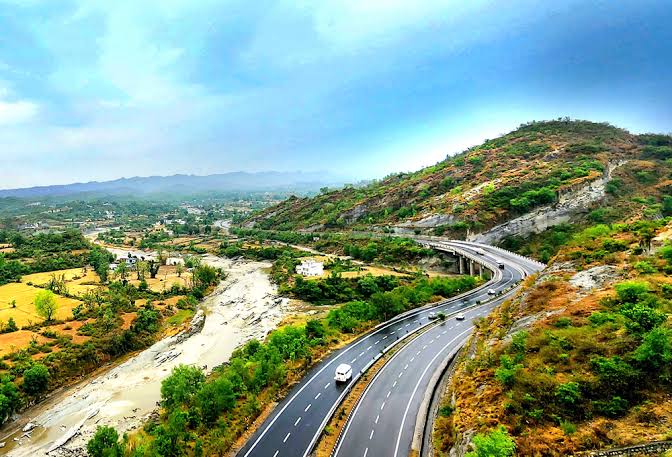
JAMMU & KASHMIR. Here, a complex tapestry of political, social, and historical threads, weaves the narrative of a place long marred by conflict. The recent years, however, have witnessed a subtle but significant transformation in the security environment, offering a glimmer of hope for peace, progress and a renewed sense of ambition in the valley.
BRINGING KASHMIR’S BORDER AREAS ONTO THE TOURISM MAP
Dr. Mareaya Fayaz
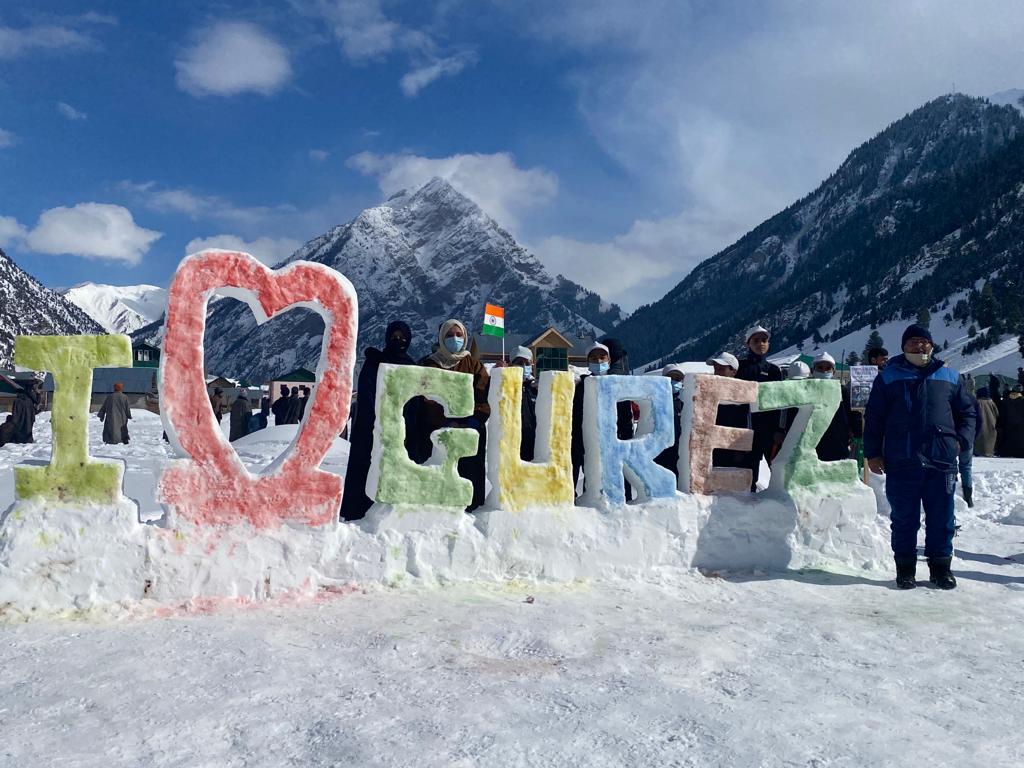
For decades, Kashmir’s tourism narrative revolved around its iconic destinations like, Gulmarg’s snowy slopes, Pahalgam’s pastoral charm and Srinagar’s shimmering Dal Lake. Yet beyond these celebrated landscapes lies another Kashmir, tucked along the Line of Control where valleys unfold in silence, rivers cut through rugged terrain and villages stand as living testimonies of resilience.
NARCO-TERRORISM AS HYBRID WARFARE AND THE CENTRALITY OF J&K POLICE
Mohammad Zaid Malik
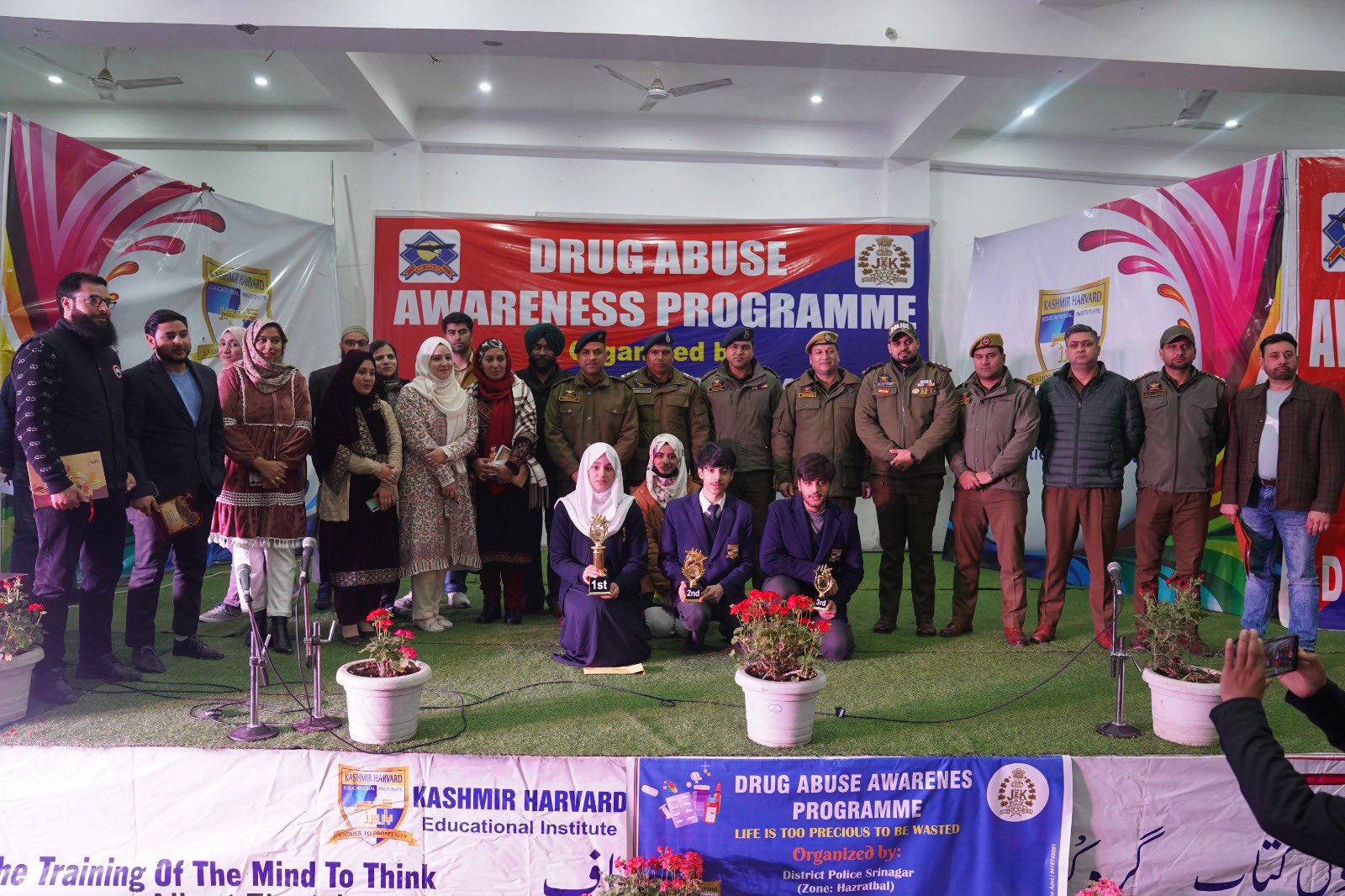
Hybrid warfare does not announce itself with tanks or troop movements. It advances silently, exploiting social fractures, psychological vulnerabilities and illicit economies. In Kashmir, narcotics have become one of the most effective non-kinetic weapons deployed against internal stability. The response to this threat has not been led from distant command rooms or border posts but from within society itself.

WHY EDUCATED KASHMIRI YOUTH ARE CHOOSING TO COME BACK?
Sohail Ahmad
On a pale winter morning, as mist rises gently above the waters of the Dal Lake and shopkeepers lift their shutters in civil lines area in Srinagar, 29-year-old Aamir opens his laptop in a quiet cafe overlooking the boulevard. His screen flickers to life with dashboards, data streams and code repositories connected to a fintech firm headquartered in Pune.

PAKISTAN’S VANISHING DEMOCRATIC SPACE ECHOES OF ZIA IN ASIM MUNIR’S ERA
Bashir Assad
Watching General Asim Munir steadily undermine Pakistan’s political system, consistently shrinking the space for elected leadership and leaving almost no room for civilian voices in domestic governance or diplomatic decision-making, I chose to write on the legacy of General Zia-ul-Haq.
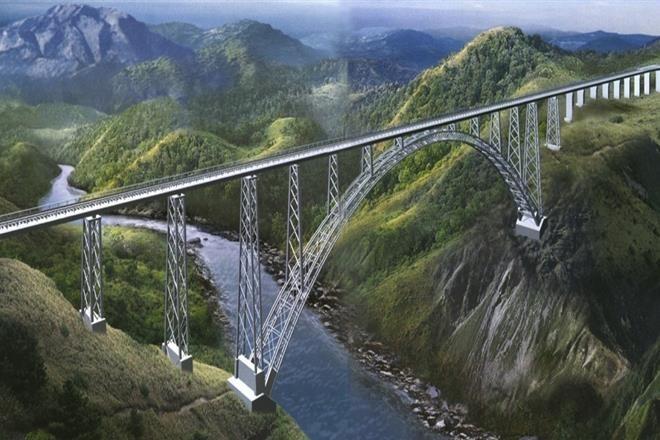
The Decade of Connectivity How Roads, Railways and Digital Networks Are Reshaping Kashmir
Yawar Yousef/Yasir Lone
For much of its modern history, Kashmir has been discussed through the language of conflict, diplomacy, security, and constitutional politics. Governments changed, policies evolved, and public debates shifted, yet the dominant narratives surrounding the region remained remarkably consistent.