politics
THE POLITICS OF NORMALCY
By Yawar Yousef | Fri Apr 03 2026
On a quiet evening, along the banks of the Jhelum river, the rhythm of life in Srinagar appears almost ordinary. Shops close at their usual hour. Families walk along the boulevard. Traffic moves through the intersections around Lal Chowk with the familiar impatience of any bustling city. The calmness of such moments has increasingly become part of the public narrative surrounding Jammu and Kashmir. In official speeches, policy statements and television debates one word appears again and again. Normalcy.
Beyond the visible calm in Kashmir’s streets and markets lies a deeper debate about what normalcy truly means for its people. As tourism grows and unrest declines, the valley quietly grapples with questions of economic opportunity, political trust and the lived realities shaping everyday life.
For many observers the phrase signals a profound transformation. Street unrest that once dominated headlines has visibly reduced. Public demonstrations that used to erupt unpredictably across towns and neighbourhoods have largely faded from everyday life. Markets that once closed abruptly during periods of tension now remain open through most of the year. Tourist arrivals steadily grow after deadly Pahalgam attack. Government officials speak of investment summits, infrastructure expansion and economic revival. The image presented to the outside world is one of stability gradually replacing uncertainty.
Yet, beneath this narrative lies a more complex question. What does normalcy actually mean for the people who live here every day? Is stability simply the absence of visible unrest or does it represent something deeper rooted in social confidence economic security and political trust?
For ordinary residents of the valley, the meaning of stability is often measured through smaller and more personal experiences. It is the ability of a shopkeeper to keep his business open without fearing sudden shutdowns. It is the reassurance parents feel when their children travel across districts for college or work. It is the quiet relief of farmers who can transport produce to markets all over India without disruptions to transport routes. In this sense the reduction in street violence has undeniably altered the rhythm of everyday life.
Many residents acknowledge this shift openly. A generation that grew up during years of frequent curfews and volatile street protests now experiences a city that moves with greater predictability. Public spaces feel calmer. Evening markets remain active for longer hours. Weddings festivals and local events take place with fewer interruptions. For shopkeepers, transporters and small traders these changes translate into practical benefits that are felt in daily earnings rather than in political slogans.
Tourism provides one of the most visible indicators of this new environment. The houseboats and shikaras that line the waters of the Dal Lake have once again become symbols of hospitality rather than uncertainty. Hotels across the valley report strong seasonal occupancy. Restaurants, craft shops and transport services benefit from the steady flow of visitors. For thousands of families whose livelihoods depend on tourism a stable environment directly influences economic survival.
The government has frequently highlighted these developments as evidence of progress. Infrastructure projects are expanding; roads tunnels and connectivity between regions are taking place. Investment conferences and conclaves have attempted to attract corporate interest. Officials speak of a future in which the region becomes an economic hub for tourism, handicrafts, renewable energy and horticulture.
That said, the public perception of stability does not always align perfectly with official narratives. Many residents recognise improvements in security conditions but remain cautious about declaring the transformation complete. For them stability is not only about the absence of unrest but also about the presence of self-confidence.
Unemployment continues to shape conversations in homes, classrooms and market places in the valley. The aspiration for secure employment remains one of the defining features of the region’s social landscape. In such circumstances economic growth narratives sometimes feel distant from the lived realities of young job seekers who struggle for a dignified life and social security.
The concept of normalcy, therefore, becomes layered with different meanings depending on who is asked to define it. For a tourist, visiting the valley for the first time, normalcy may appear complete in the bustling markets, scenic highways and lively cafes. For a shopkeeper, it may mean uninterrupted business. For a farmer, it may mean reliable transport routes and fair market access. For a young graduate, it may mean something else entirely - the availability of dignified employment and a sense that the future offers genuine possibilities.
Security perceptions also shape how stability is understood. The security landscape remains at the heart of the discourse in Kashmir. The presence of security forces reinforces a sense of safety for many while for others it remains a reminder of political complexities. The coexistence of calm public spaces with a strong security framework reflects the delicate balance that defines the region today.
Public sentiment often moves quietly between relief and restraint. Many people appreciate the calm that has returned to daily routines. At the same time conversations within homes, tea shops and university campuses reveal a continuing desire for deeper political dialogue and long term clarity about the region’s future. Stability in its fullest sense is not only about quiet streets but about the confidence citizens feel regarding governance, representation and participation in shaping their own future.
In towns beyond Srinagar similar reflections emerge. Traders speak of improved business conditions but also of rising costs and uncertain markets. Farmers worry about unpredictable weather patterns affecting apple harvests and tax-free import of fresh fruit from USA and Iran. Teachers observe that students increasingly discuss careers outside the region because opportunities within remain limited. These voices rarely appear in dramatic headlines, yet, they represent the everyday realities that shape how stability is experienced on the ground.
The politics of normalcy, therefore becomes less about slogans and more about lived experience. It raises questions about how societies move from a phase of conflict toward a phase of confidence. History shows that genuine stability is rarely achieved through security measures alone. It grows gradually through economic inclusion institutional trust and social participation.
For Jammu and Kashmir, the present moment appears to be one of transition. The visible turbulence of earlier decades has eased significantly and the everyday rhythm of life has become calmer. Markets function. Schools operate. Tourism thrives. These are meaningful achievements for a region that has endured long periods of disruption.
However, the deeper measure of stability will depend on whether this calm environment evolves into broader opportunity. When young people feel that their education can translate into meaningful work. When businesses grow beyond seasonal tourism. When public conversations include diverse voices without fear or hesitation. When citizens feel that they are participants rather than spectators in shaping their political and economic future.
True normalcy in any society is not simply the quietness of streets but the confidence of its people. It is the feeling that everyday life can move forward without uncertainty overshadowing each decision. It is the assurance that progress is shared rather than symbolic.
As the evening lights reflect across the waters of the Jhelum river, the city of Srinagar continues its slow transition into night. The calm visible in its streets offers a glimpse of possibility. Whether that calm matures into lasting stability will depend on how deeply the idea of normalcy takes root not only in official narratives but in the lived experience of every Kashmiri household.
Related Articles
BADAMWARI IN BLOOM
Sohail Bashir
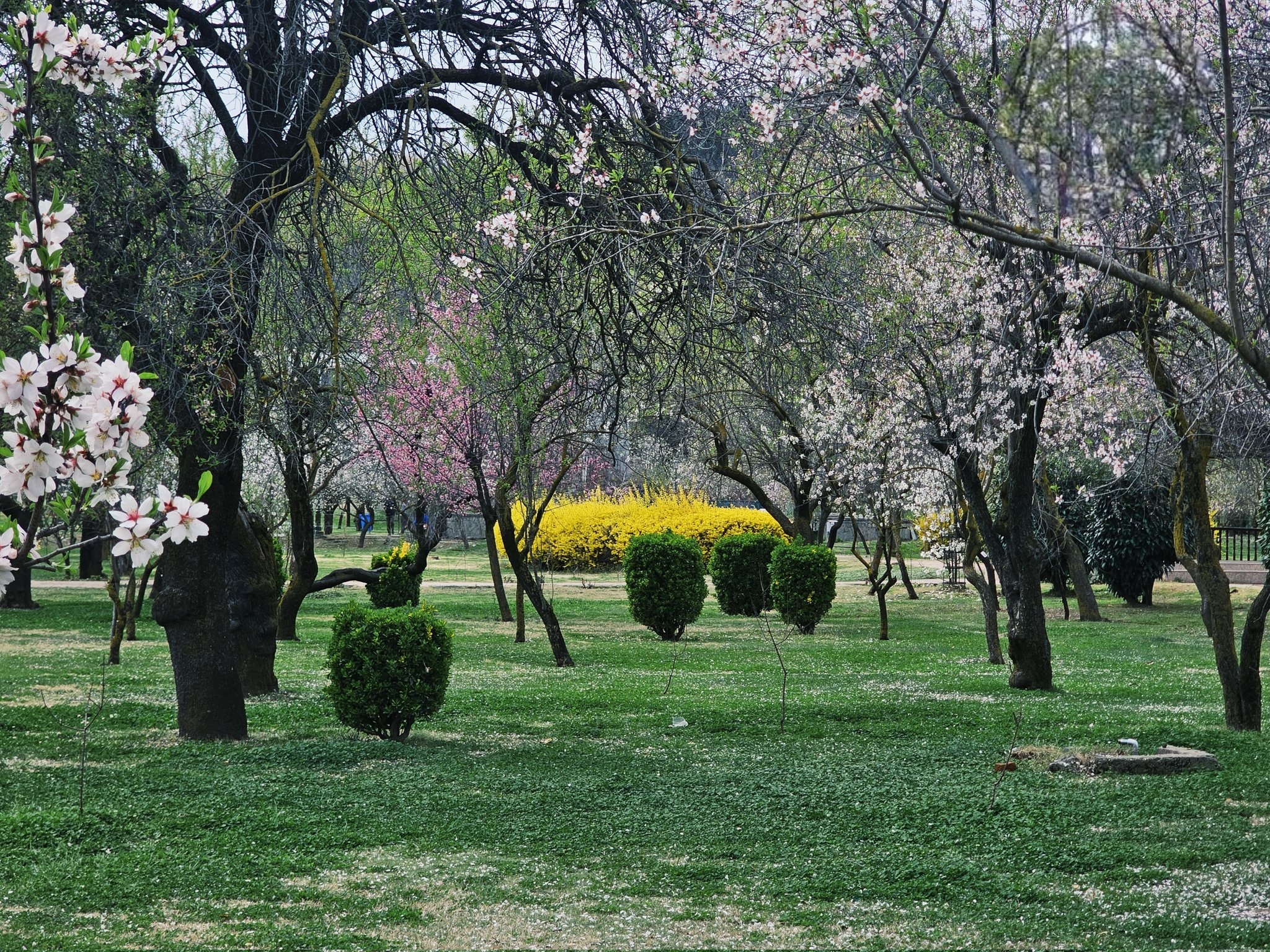
There is a moment in Kashmir that cannot be marked on a calendar. It arrives quietly, almost gently, when the bare branches of almond trees in Srinagar’s old city soften into pale pink and white and the long winter finally begins to loosen its hold. That moment lives in Badamwari.
THE COACHING CAPITAL
Mian Tufail
On winter mornings in Srinagar before the markets awaken and traffic gathers around the city centre, the narrow staircases above coaching centres, bookstores and stationery shops are already crowded. Young men and women climb these steps with backpacks, full of notebooks and borrowed hope.
WHEN FAITH BECOMES PERFORMANCE
Mohammad Zaid Malik
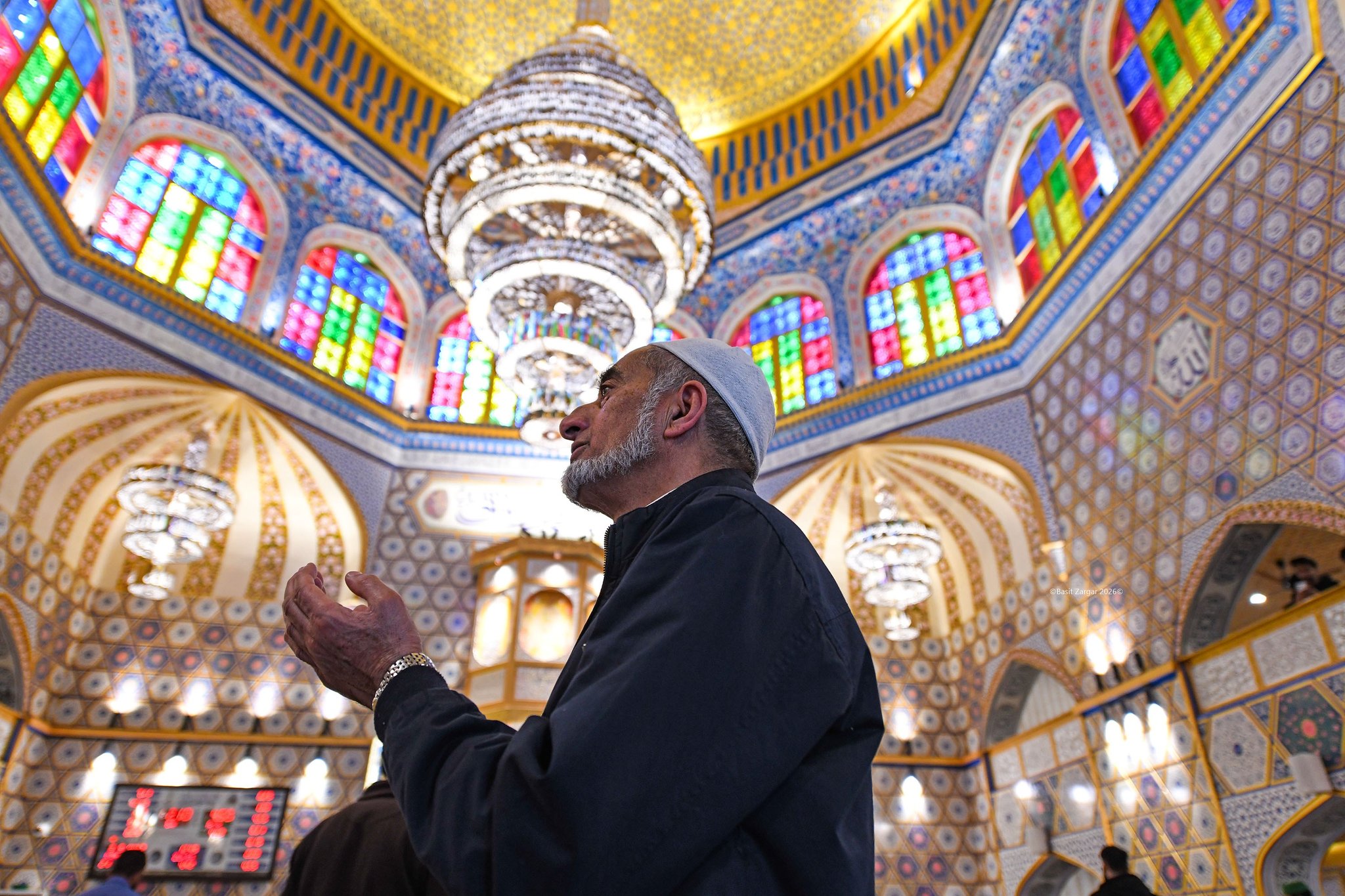
Mosques (Masaajid) have always occupied a sacred and central place in Islamic civilization. From the earliest days of Islam, they served not merely as spaces for prayer but as the living heart of Muslim society. The first mosque established in Islamic history, Masjid-e-Quba and later the Prophet’s Mosque in Madinah, were vibrant centres where faith intertwined with education, governance, social welfare and intellectual exchange.
THE PAUSE IN JAMMU & KASHMIR’S DEMOCRATIC EXPERIMENT
Waseem Assad
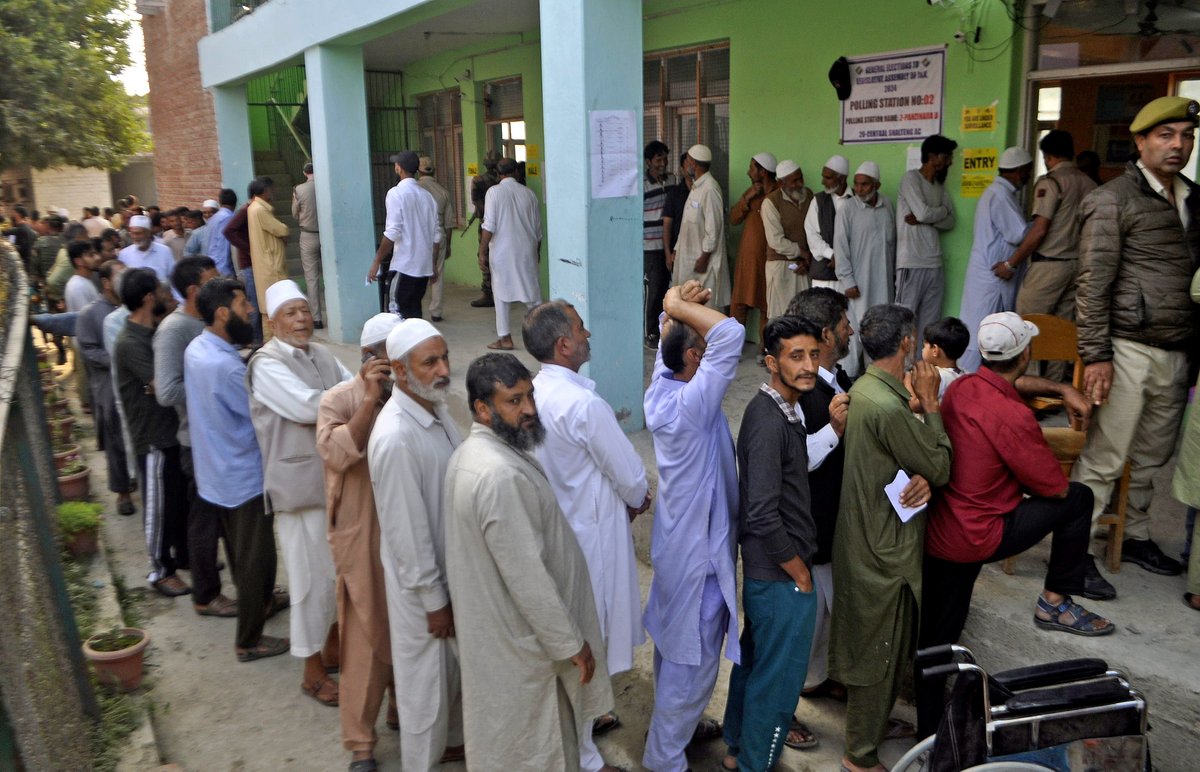
As the term of Jammu and Kashmir’s District Development Councils quietly came to an end last month, the moment passed without spectacle but not without consequence. For the first time in recent years, the Jammu & Kashmir stands bereft of its entire three-tier Panchayati Raj structure.
GUREZ FROM ISOLATION TO INSPIRATION
Mareaya Fayaz
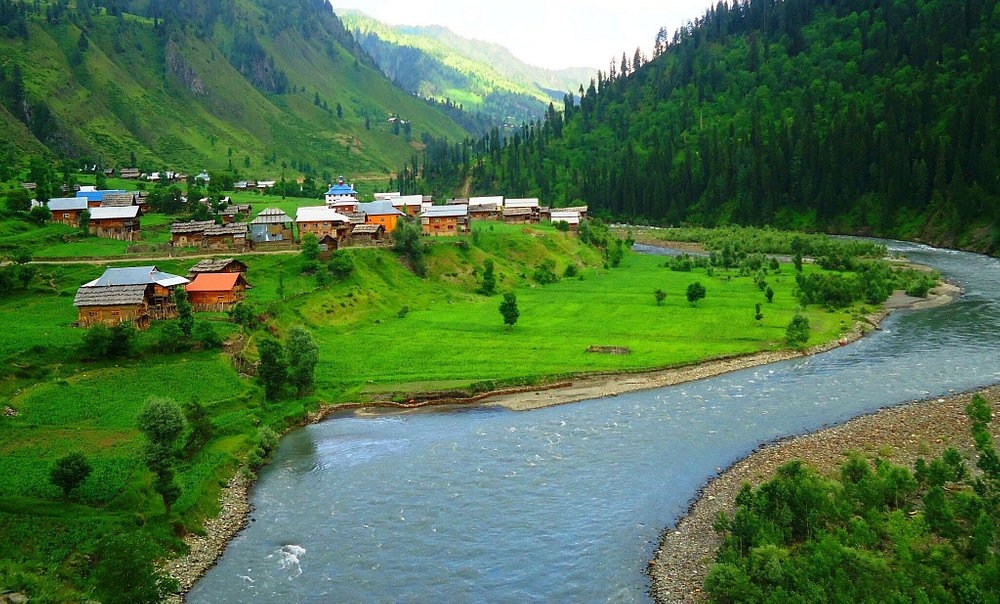
In the high mountains of North Kashmir, where winter once dictated silence and separation, the sound of machines cutting through walls of snow now carries a different meaning. It signals return of roads, of movement, of life itself.
WEST ASIA’S WAR AND A QUIET REASSESSMENT OF PAKISTAN IN KASHMIR
Bashir Assad
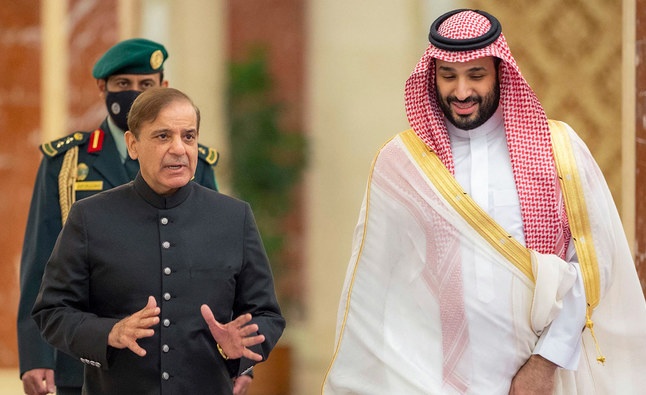
The ongoing war involving Iran, Israel and the United States has stirred strong reactions across large parts of the Muslim world. From North Africa to South Asia, demonstrations, online campaigns and intense political discussions have emerged as communities react emotionally to the conflict and its wider implications.