culture
BADAMWARI IN BLOOM
By Sohail Bashir | Fri Apr 03 2026
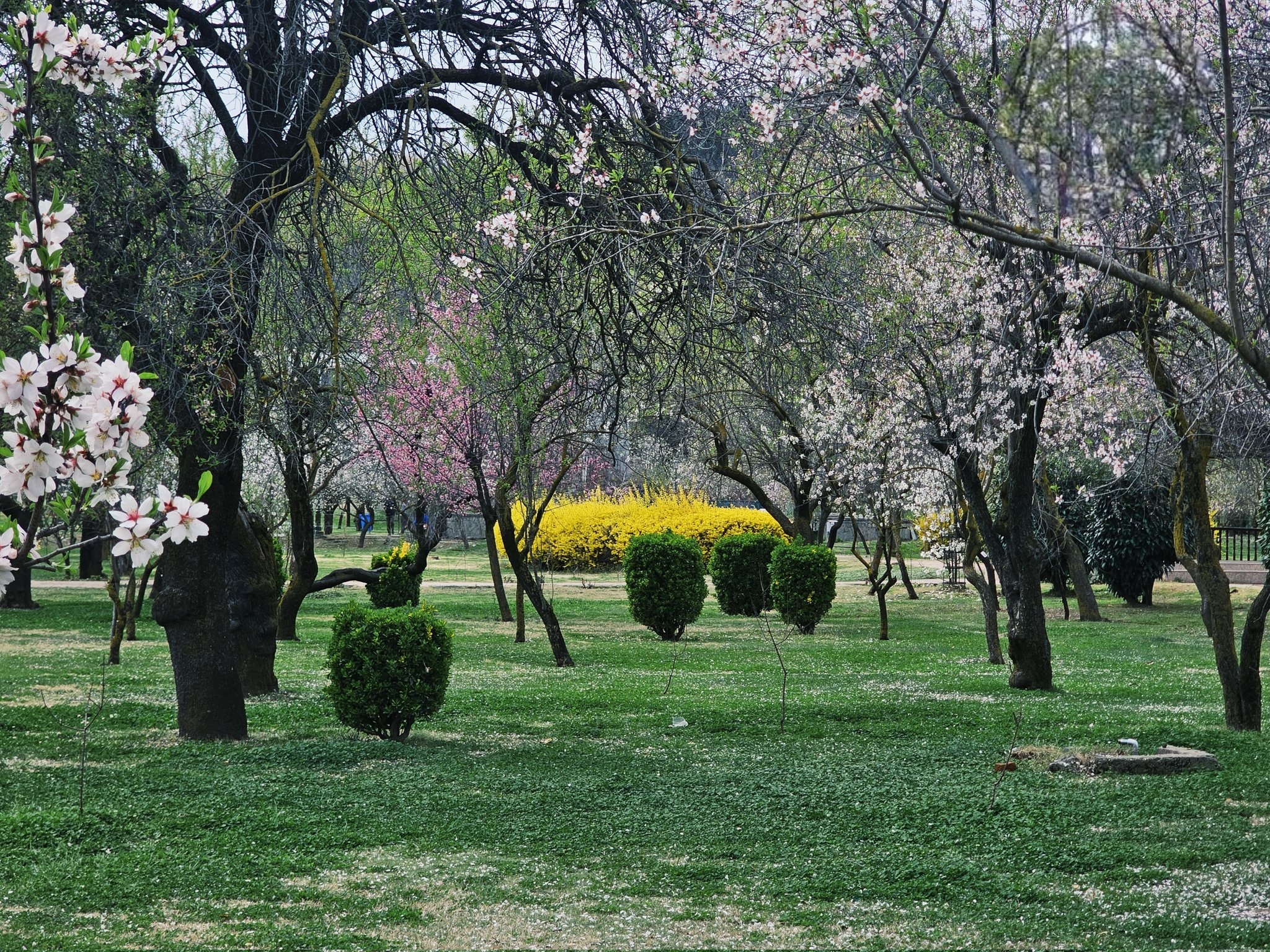
There is a moment in Kashmir that cannot be marked on a calendar. It arrives quietly, almost gently, when the bare branches of almond trees in Srinagar’s old city soften into pale pink and white and the long winter finally begins to loosen its hold. That moment lives in Badamwari.
With the inauguration of the Almond Blossom Festival 2026 by Omar Abdullah, the historic garden beneath the watchful silhouette of Hari Parbat once again transformed into the valley’s first celebration of spring. Known locally as Badam Vaer, the garden is more than just a scenic space, it is where Kashmir announces its seasonal rebirth followed by the bloom of Tulips in a scintillating Tulip garden.
As almond blossoms unfurl in Srinagar’s historic Badamwari, Kashmir quietly steps into spring. More than a floral spectacle, the festival marks the valley’s first cultural awakening of the year blending with music, craft and community while opening the gates to a new tourist season.
Badamwari blooms before the rest of the valley awakens. While the tulips of the Zabarwan foothills remain days away from opening and cherry trees remain undecided, the almond blossoms arrive early, almost impatiently, as if eager to break the silence of winter. Their brief, delicate life lends them a deeper meaning that they are not just flowers but a reminder of renewal, of time moving forward, of life returning.
The festival that now surrounds this bloom has grown into something far more immersive than a simple floral display. As one enters the garden, the experience unfolds like a layered narrative of Kashmir itself. The scent of blossoms mingles with the sound of Sufi music drifting through the air, creating an atmosphere that feels at once spiritual and celebratory. The music does not overpower the space; it settles into it, echoing softly against the garden’s historic contours.
Nearby, groups of young performers in traditional attire move in rhythm, their steps forming the graceful patterns of Rouf and other folk traditions. Their presence is not staged spectacle alone, it is continuity, a living thread connecting generations. Around them, artisans sit beside their work: finely painted papier-mache, hand woven Pashmina, carved walnut wood, each piece carrying the quiet dignity of craft refined over centuries.
There is warmth in the way people gather here. Families walk slowly beneath the blossoms, students pause for photographs, tourists linger a little longer than planned. At small stalls, steaming samovars pour out cups of kehwa, and the familiar comfort of Kashmiri bread and seasonal delicacies adds another layer to the experience. The garden becomes less of a venue and more of a shared space as intimate, cultural and alive.
What makes Badamwari truly significant, however, is not just what happens within its walls but what it sets into motion beyond them. The Almond Blossom Festival has, over time, come to mark the informal opening of Kashmir’s tourist season. It is the valley’s first invitation to the outside world each year, a soft, beautiful beginning before the grander spectacles of tulip gardens, cherry blossoms and summer landscapes take over.
Tourism authorities have increasingly shaped this moment with intention. The introduction of digital conveniences like an e-ticketing system reflects a valley that is adapting, modernising and preparing for a wider influx of visitors. Yet, despite these changes, the essence of the festival remains rooted in simplicity, a garden, blossoms, music and people.
For locals, the festival carries a quieter, more personal meaning. After months of harsh winter, it offers a space to step out, to reconnect, to feel part of something shared. In recent years especially, such public gatherings have taken on added significance, becoming expressions of normalcy and collective belonging.
Badamwari, once neglected and now revived, mirrors this very journey. Its restoration is not just about landscaping or tourism, it is about reclaiming memory, about giving new life to spaces that have always been part of Kashmir’s cultural soul.
As the blossoms reach their peak and slowly begin to fall, the garden prepares to hand over the season to the rest of the valley. Soon, tulips will bloom in ordered rows, mustard fields will turn the countryside golden and rivers will swell with melted snow. But the first whisper of it all, the first sign that Kashmir is awake again, will always belong to Badamwari.
And so, every year, spring in Kashmir does not begin with grandeur. It begins with almond blossoms, soft and fleeting, opening quietly in an old garden and with them, a valley begins once more.
Related Articles
THE COACHING CAPITAL
Mian Tufail
On winter mornings in Srinagar before the markets awaken and traffic gathers around the city centre, the narrow staircases above coaching centres, bookstores and stationery shops are already crowded. Young men and women climb these steps with backpacks, full of notebooks and borrowed hope.
WHEN FAITH BECOMES PERFORMANCE
Mohammad Zaid Malik
Mosques (Masaajid) have always occupied a sacred and central place in Islamic civilization. From the earliest days of Islam, they served not merely as spaces for prayer but as the living heart of Muslim society. The first mosque established in Islamic history, Masjid-e-Quba and later the Prophet’s Mosque in Madinah, were vibrant centres where faith intertwined with education, governance, social welfare and intellectual exchange.
THE POLITICS OF NORMALCY
Yawar Yousef
On a quiet evening, along the banks of the Jhelum river, the rhythm of life in Srinagar appears almost ordinary. Shops close at their usual hour. Families walk along the boulevard. Traffic moves through the intersections around Lal Chowk with the familiar impatience of any bustling city.
THE PAUSE IN JAMMU & KASHMIR’S DEMOCRATIC EXPERIMENT
Waseem Assad
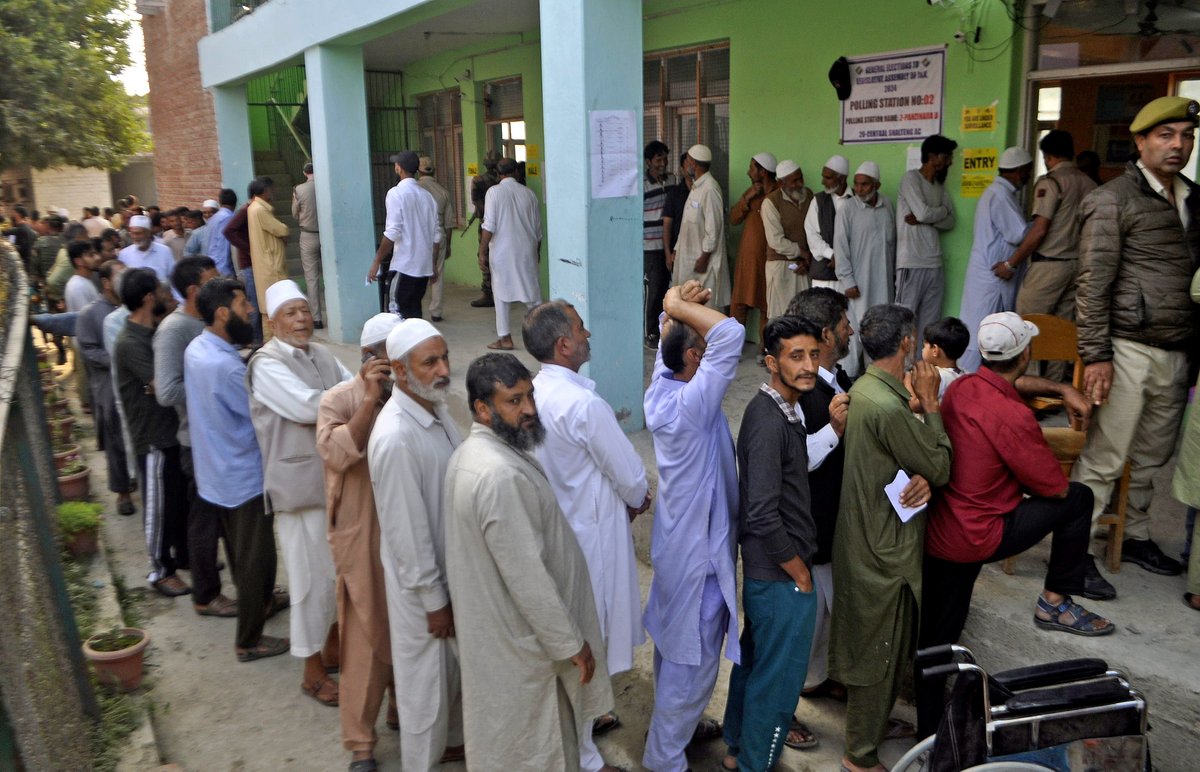
As the term of Jammu and Kashmir’s District Development Councils quietly came to an end last month, the moment passed without spectacle but not without consequence. For the first time in recent years, the Jammu & Kashmir stands bereft of its entire three-tier Panchayati Raj structure.
GUREZ FROM ISOLATION TO INSPIRATION
Mareaya Fayaz
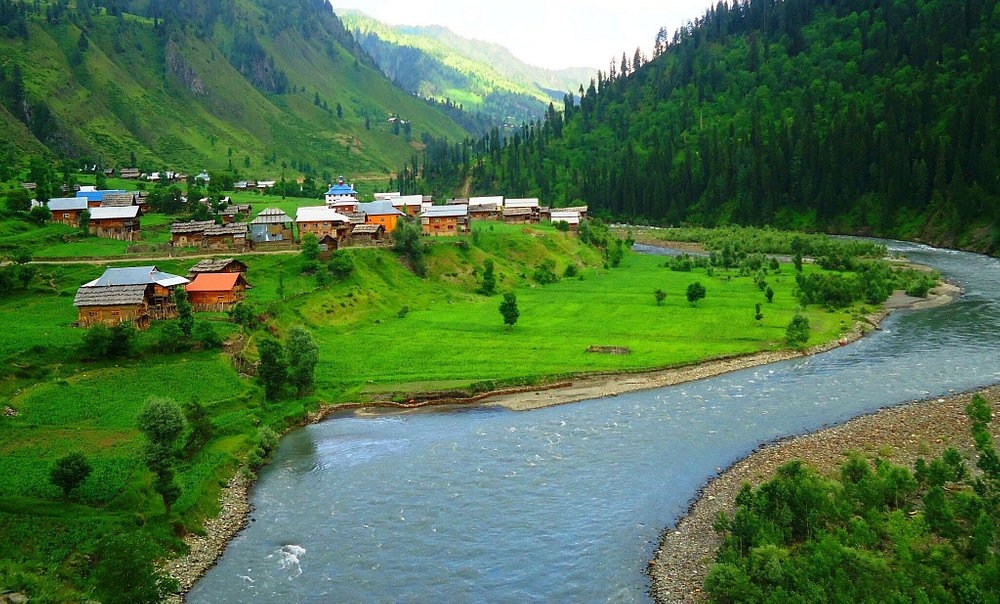
In the high mountains of North Kashmir, where winter once dictated silence and separation, the sound of machines cutting through walls of snow now carries a different meaning. It signals return of roads, of movement, of life itself.
WEST ASIA’S WAR AND A QUIET REASSESSMENT OF PAKISTAN IN KASHMIR
Bashir Assad
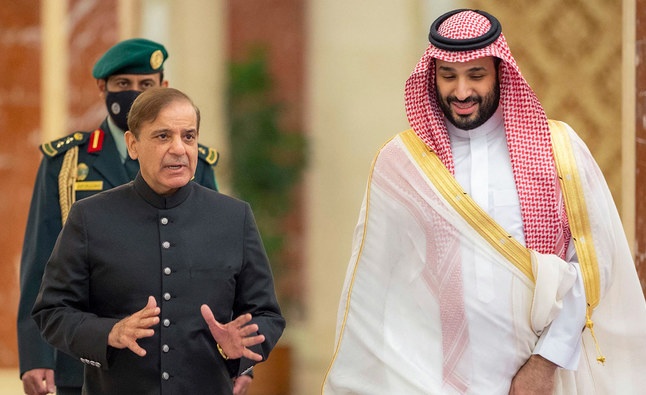
The ongoing war involving Iran, Israel and the United States has stirred strong reactions across large parts of the Muslim world. From North Africa to South Asia, demonstrations, online campaigns and intense political discussions have emerged as communities react emotionally to the conflict and its wider implications.