Fuel Anxiety and the Fragile Economics of Kashmir’s Apple Industry
Sat Jun 06 2026
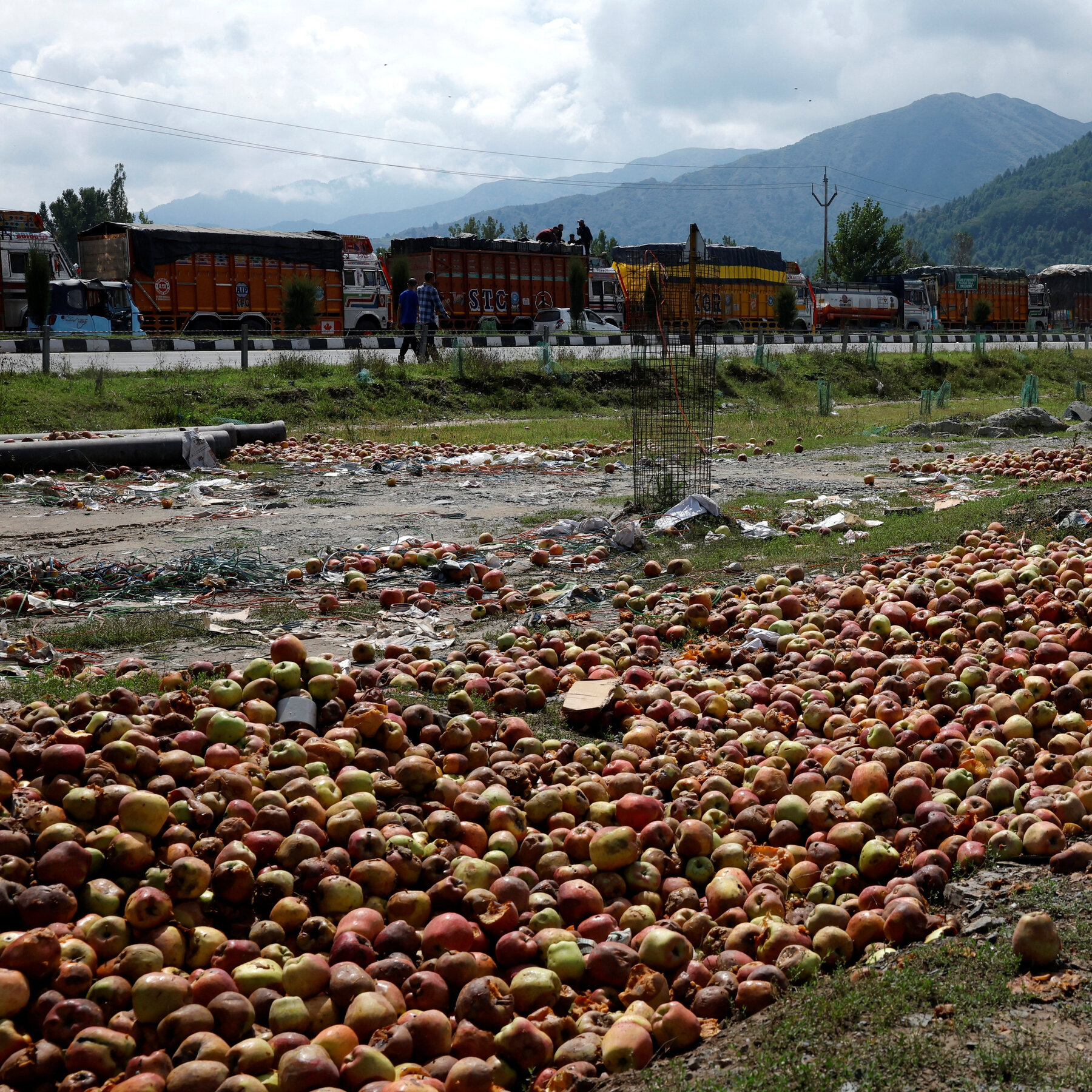
The growing fuel crisis and the steady rise in transportation costs are emerging as serious concerns for Kashmir’s already fragile horticulture economy, particularly the apple industry that sustains rural livelihoods across the Valley. At a time when growers were already facing the effects of an unusually cold spring that disrupted flowering and pollination in several apple-producing areas, the additional burden of rising fuel prices threatens to deepen uncertainty for thousands of farming families.
This year’s horticultural season began with visible anxiety among orchardists. Prolonged cold temperatures during the crucial flowering stage adversely affected pollination, raising fears of reduced fruit setting and lower overall production. For an industry that supports lakhs of people through cultivation, packaging, transport, storage, and trade networks, even a moderate decline in yield carries serious economic consequences.
The fuel crisis now adds another layer of vulnerability to an industry heavily dependent on transportation. Kashmir’s apple economy survives through the uninterrupted movement of produce to markets across India. Every increase in fuel prices directly raises freight charges, packaging expenses, storage costs, and ultimately reduces the already shrinking profit margins of growers.
The concern becomes more serious because large sections of rural Kashmir remain overwhelmingly dependent on horticulture for economic survival. Entire districts function around seasonal agricultural cycles linked to apple production. When the horticulture sector experiences stress, the impact extends far beyond orchards. Transporters, labourers, traders, packaging units, and small rural businesses all begin feeling the pressure simultaneously.
The issue is not merely about higher operational costs. It is about declining economic confidence within a sector already battling climate unpredictability, market instability, and rising input expenses. Fertilizers, pesticides, cartons, cold storage facilities, and transportation networks have all become significantly more expensive in recent years. For small and marginal orchardists, the margin for economic survival is narrowing steadily.
There is also a larger policy concern demanding urgent attention. Kashmir’s apple industry cannot continue functioning entirely at the mercy of weather disruptions and transportation volatility without structural safeguards. The sector requires greater investment in cold chain infrastructure, localized processing industries, subsidized transport mechanisms, and scientific crop protection systems capable of insulating growers from recurring economic shocks.
The apple industry is not merely an agricultural sector in Kashmir. It is the backbone of the rural economy and a source of stability for vast sections of the Valley. At a moment when production fears and fuel anxiety are converging simultaneously, growers require not just reassurance, but visible policy intervention capable of restoring confidence before another difficult season slips further into uncertainty.