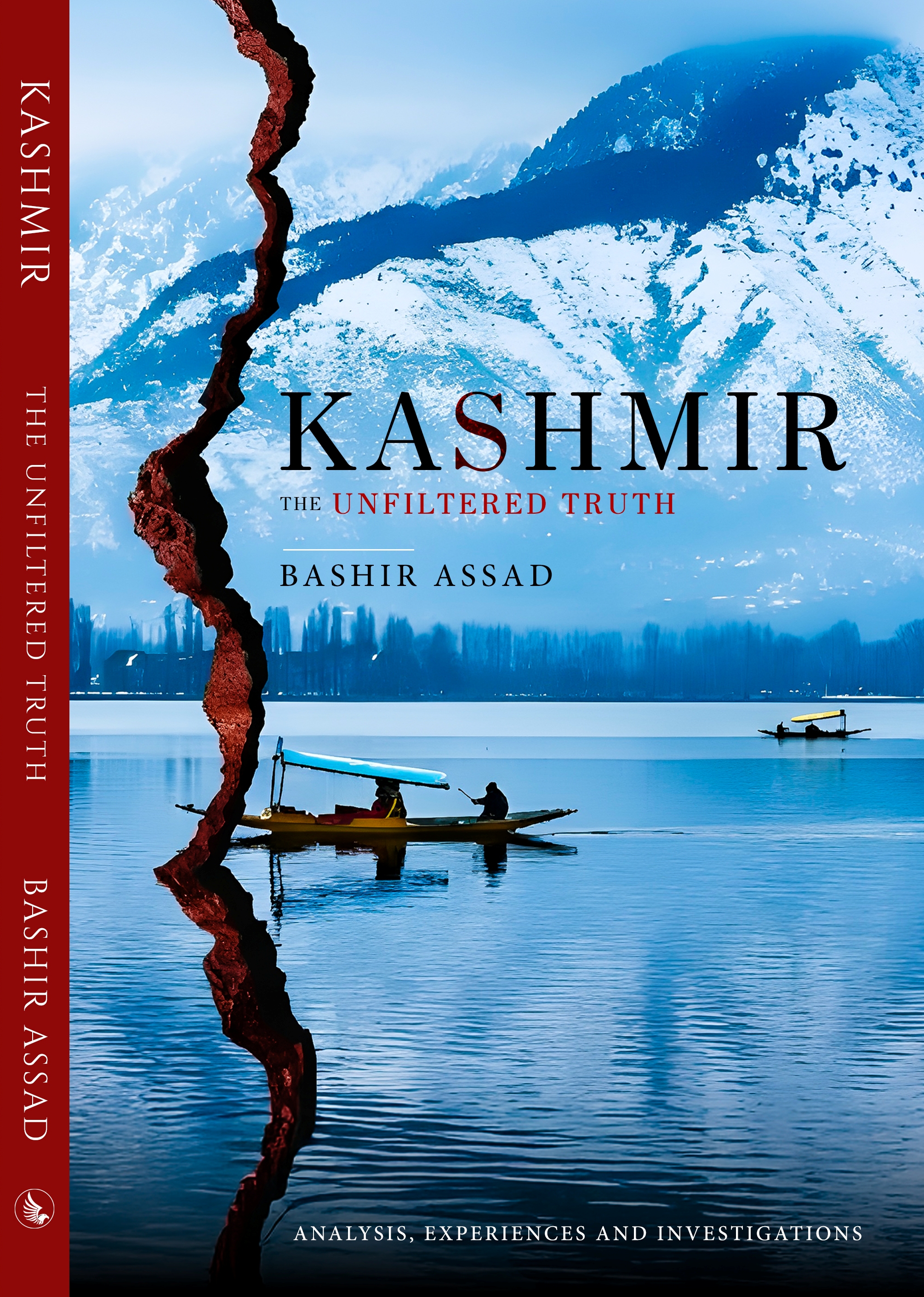
KASHMIR: THE UNFILTERED TRUTH
By Zafar Iqbal Manhas
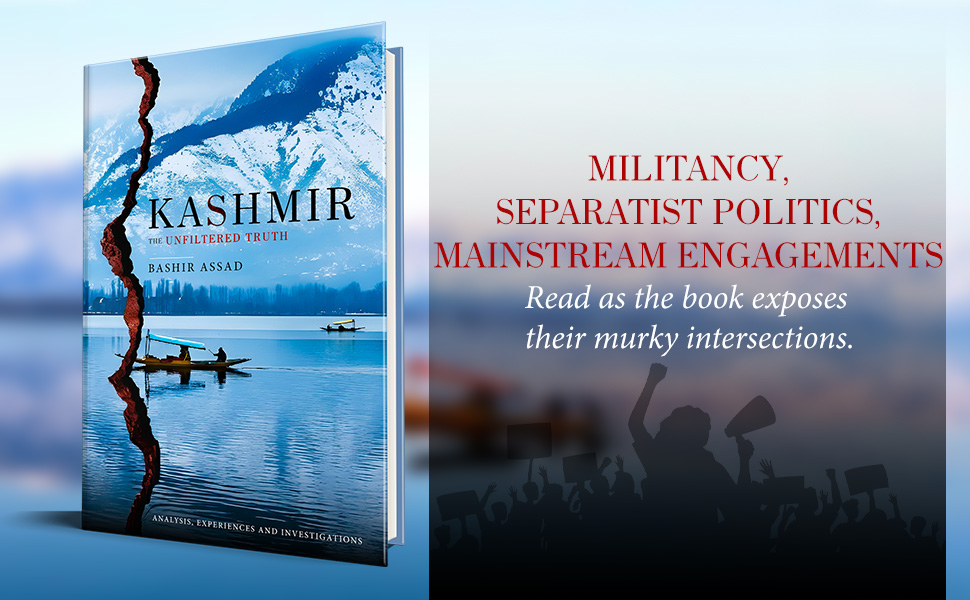
Kashmir: The Unfiltered Truth is an earnest and intellectually engaged attempt to confront the complexities of the Kashmir conflict through analysis shaped by long observation and lived experience. Its greatest strength lies in its unambiguous and unapologetic refusal to surrender to convenient binaries. The author writes not as a distant commentator but as a witness shaped by history, institutions, and personal cost.
That same closeness to events, however, occasionally influences the tone and emphasis of the analysis. At certain moments, interpretations appear guided more by experiential certainty than by deliberate analytical distance. While this does not undermine the sincerity of the argument, readers may at times wish for a clearer separation between personal encounter and broader structural explanation.
Similarly, the book often attributes strong intentionality to state policy and bureaucratic conduct. While this perspective is understandable given the author’s vantage point, alternative readings—such as administrative inertia, policy fragmentation, or institutional misjudgment—could have been explored more fully to widen interpretive space.
The narrative’s emotional depth, particularly in its personal testimonies, is one of its defining features. These accounts humanise the conflict and restore dignity to often-erased experiences. Yet their intensity occasionally risks overshadowing the analytical framework, making the work feel more accusatory than exploratory in isolated passages. A slightly more restrained modulation between testimony and inference might have enhanced analytical balance.
Finally, while the book excels in diagnosing failures across state, non-state, and ideological actors, it remains intentionally cautious in prescribing solutions. This restraint may frustrate some readers, but it can also be read as an ethical choice—an acknowledgment that Kashmir’s future cannot be reduced to formulas or imposed certainties.
Taken together, these are not flaws of intent, but of perspective inherent to writing from within a prolonged conflict. The book’s value lies precisely in this positional honesty. Kashmir: The Unfiltered Truth should therefore be read not as a final word, but as a thoughtful, courageous contribution—one that invites dialogue, disagreement, and deeper reflection.