security
India Kept the Indus Waters Treaty Alive — Until It Became an Unbearable Burden
By Kushvinder Vohra | Wed Jul 29 2026
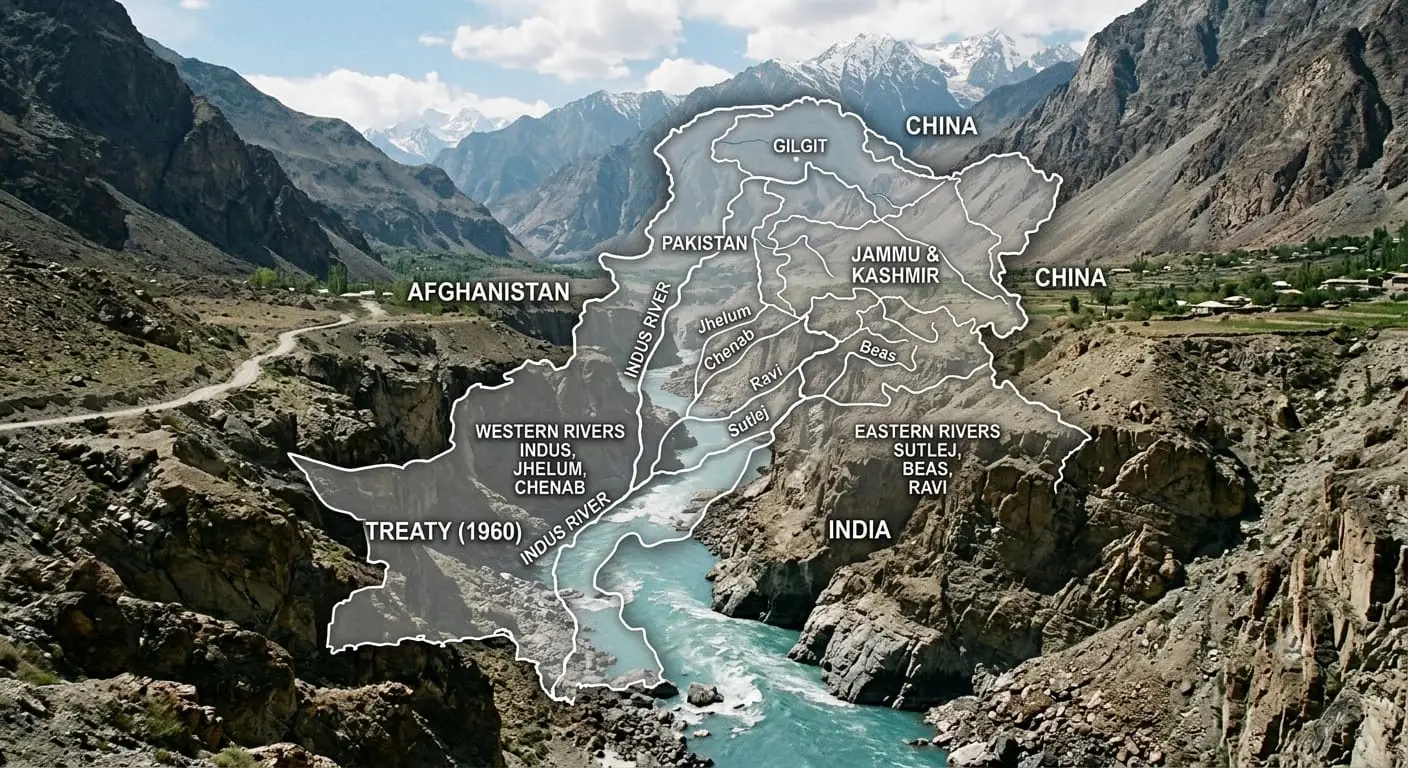
For decades, the Indus Waters Treaty (IWT) has been celebrated globally as one of the world’s most successful international water-sharing agreements. It survived wars, military stand-offs, and prolonged hostility between India and Pakistan. Yet one fundamental question has rarely been examined honestly: what actually kept the Treaty alive for over six decades?
The answer is unequivocal - India’s unilateral magnanimity.
As someone associated with the Indus system for over 37 years, including as Indian Commissioner of Indus Waters and Chairman of the Central Water Commission, I witnessed first-hand that the Treaty survived not because of mutual trust, but because of India’s extraordinary restraint, patience, and willingness to accommodate Pakistan far beyond what is normally expected from an upper riparian state.
India’s efforts to preserve the Treaty continued despite wars, terrorism, and persistent obstruction by Pakistan against even those hydroelectric projects that were fully permissible under the Treaty. Ultimately, sustained cross-border terrorism from Pakistan and systematic misuse of Treaty provisions made the continuation of the existing framework untenable. The terrorist attack in Pahalgam proved to be the final trigger behind India’s decision to keep the Treaty in abeyance. Prime Minister Narendra Modi summed up the national sentiment succinctly: “Water and blood cannot flow together.”
India Made Extraordinary Concessions from the Beginning
Even during the IWT negotiations, India repeatedly accommodated unreasonable Pakistani demands to ensure an agreement could be reached in the spirit of goodwill. Shri N.D. Gulhati, India’s chief negotiator, recorded in his seminal book Indus Waters Treaty - An Exercise in International Mediation that the Treaty itself represented “a series of limitations on India’s freedom of action on waters within her own territories.”
The most striking concession was the allocation of waters. Pakistan received nearly 80% of the Indus basin waters (135 MAF) from the Indus, Jhelum, and Chenab, while India retained only about 20% through the Ravi, Beas, and Sutlej systems. Such a settlement is virtually unprecedented for an upper riparian country.
India also agreed to highly burdensome transitional arrangements and even financed replacement works in Pakistan at enormous cost. Despite serious reservations, India accepted these terms hoping the Treaty would usher in lasting peace and cooperation.
Peace Never Followed the Treaty
Prime Minister Jawaharlal Nehru candidly remarked in Parliament in 1960 that India had effectively “purchased peace” through the Treaty. That hope was quickly shattered. Soon after signing the agreement, Pakistan’s leadership linked the waters issue to its claim over Jammu & Kashmir.
N.D. Gulhati later recalled Nehru lamenting in 1961 that even India’s concessions in the Treaty had failed to improve broader relations between the two countries. Subsequent wars, proxy conflicts, and decades of terrorism demonstrated that India’s concessions did not moderate Pakistan’s hostility.
India Preserved the Treaty Even to Its Own Detriment
The clearest evidence of India’s commitment lies in how it handled implementation of the Treaty over time.
At the Salal Dam project on the Chenab, Pakistan objected to design features that were technically sound and fully permissible under the Treaty. To avoid confrontation in the early years of implementation, India accepted Pakistan’s demands. Low-level sediment outlets were sealed, spillway levels were raised, and pondage required for efficient power generation was reduced to virtually zero.
These concessions later proved extremely damaging to India. The reservoir suffered severe siltation, turbine damage increased, and the project lost peaking capability essential for grid stability. India sacrificed even its legitimate rights under the Treaty merely to keep the Treaty functioning smoothly.
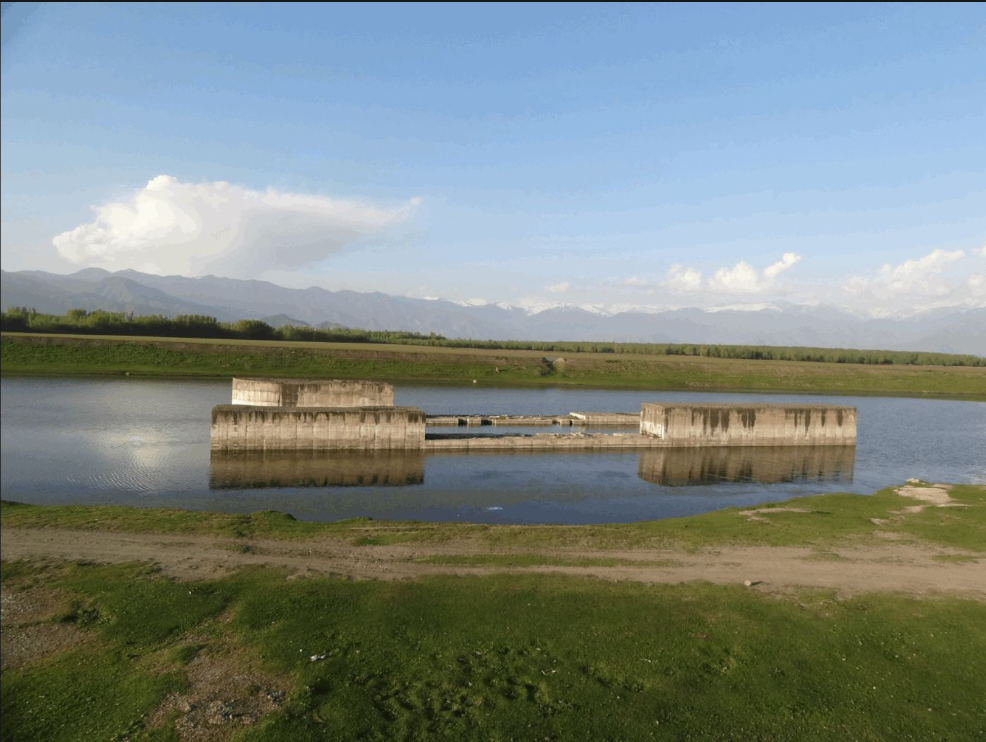
The story repeated itself at the Tulbul Navigation Project on the Jhelum. The project was intended to support winter navigation and tourism through regulated releases from Wular Lake. Although non-consumptive uses were clearly permitted under the Treaty, Pakistan raised specious objections. Acting purely in good faith and beyond the requirements of the Treaty, India suspended construction in 1987. The project remained stalled and Jammu & Kashmir suffered substantial economic losses.
Pakistan Systematically Weaponised the Dispute Resolution Process
From the 1990s onwards, Pakistan increasingly began using Article IX of the Treaty not to raise or resolve any genuine disputes, but to obstruct India’s legitimate hydropower development.
The Baglihar Dam dispute is a prime example. Pakistan challenged virtually every technical aspect of the project, despite many of these being standard engineering practices. The Neutral Expert appointed in the case substantially upheld India’s design, including the controversial gated spillways, exposing the weakness of Pakistan’s objections.
The same pattern continued with the Kishanganga Hydroelectric Project. Pakistan sought to halt construction through international arbitration, causing delays and uncertainty. Eventually, the Court of Arbitration upheld India’s right to divert waters for power generation, validating India’s interpretation of the Treaty.
Yet Pakistan persisted in repeatedly escalating technical issues to international forums, even when previous decisions had already settled the principles involved. The objective increasingly appeared to be strategic delay rather than genuine dispute resolution.
The situation worsened further when the World Bank simultaneously entertained proceedings before both a Neutral Expert and a Court of Arbitration on overlapping issues related to Kishanganga and Ratle projects, an approach that risked contradictory outcomes and undermined the Treaty’s carefully structured dispute-resolution hierarchy. India rightly opposed this departure from the Treaty framework.
Why India Finally Drew the Line
The Indus Waters Treaty survived for over six decades primarily because India exercised exceptional restraint as the upper riparian state. India continued sharing hydrological data, allowed uninterrupted flows, and adhered to Treaty obligations even during wars and sustained terrorist attacks originating from Pakistan. Few nations would have displayed similar patience under such circumstances.
Pakistan, meanwhile, not only benefited disproportionately from the Treaty’s water allocation but also persistently attempted to obstruct India’s lawful development rights on western rivers through political pressure and legal maneuvering.
Pakistan’s consistent conduct rooted in bad faith laid bare the pernicious form of ‘water terrorism’ practised by it against India to defeat the legitimate development and water security rights of Indian people, particularly in Jammu and Kashmir. The cumulative burden of this malicious conduct, coupled with Pakistan’s policy of using violent and extremist cross-border terrorism as a tool against India, eventually became unbearable. The Pahalgam terror attack in April 2025 proved to be the final breaking point. No treaty can survive indefinitely when one party continues sponsoring hostility while simultaneously exploiting the agreement to impede the other side’s legitimate interests.
India’s decision to keep the Treaty in abeyance is therefore not about stopping river flows; it is about reclaiming its rightful developmental space under the Treaty framework, ending decades of systematic obstruction and making Pakistan give up its policy of perpetrating terror attacks in India through proxy groups.
Conclusion
The Indus Waters Treaty endured not because it was balanced, but because India chose to uphold it with remarkable patience and responsibility. India made extraordinary concessions during negotiations, accepted operational disadvantages during implementation, and tolerated repeated obstruction in the hope that peace and cooperation would eventually prevail over hostility.
Pakistan misread this restraint as weakness. Instead of building trust, it leveraged the Treaty as a political and strategic instrument against India while continuing cross-border terrorism.
India has clearly signalled that this state of affairs cannot continue indefinitely. Cooperation in a shared river basin requires reciprocity, trust, and good faith from both sides, not perpetual hostility from one and endless accommodation from the other.
Kushvinder Vohra is the Former Chairman, Central Water Commission and Former Indian Commissioner Indus Waters
Related Articles

Economics of Inflation Crusade
Dr Mehraj Ud Din Shah
Inflation is swiftly unfolding macroeconomic fallout across the various sectors, wiping out income, savings, investment, demand, and employment, thereby giving a rude shock to the countries. The existing Inflationary phenomenon is intensively destabilizing the budget plans and regular consumption patterns of the majority of consumers across the globe, including in India.

Who Owns Kashmir's Story?
Irfana Shafi
The answer was once straightforward. Governments issued official statements, newspapers interpreted events and diplomats framed international opinion. That order has quietly collapsed. Today, a student with a Smartphone, an influencer in another continent, a Diaspora activist, an anonymous social media account or an artificial intelligence system can shape global perceptions of Kashmir before any government has issued its first statement.
The Other Kashmir
Sohail Bhat
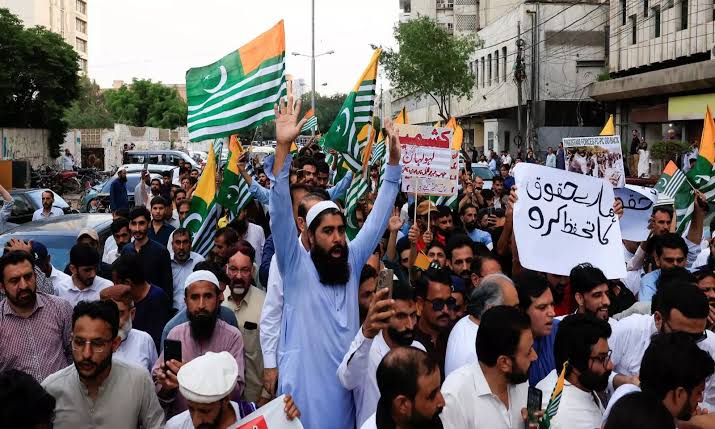
Every conflict has two histories. One is recorded in military maps, diplomatic exchanges and official communiqués. The other unfolds in the everyday lives of ordinary people, where politics is experienced through schools, hospitals, employment, courts and the responsiveness of public institutions.
The Invisible Border
Bashir Assad
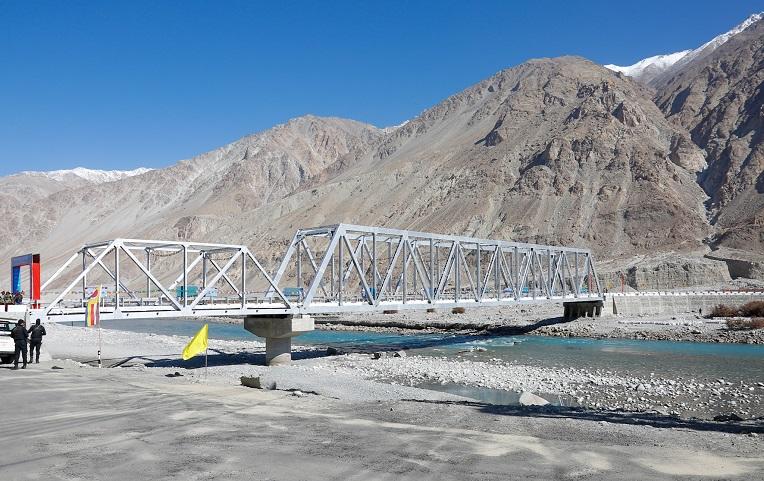
How the Line of Control Is Being Redefined by Infrastructure, Technology and Economics
TULBUL NAVIGATION PROJECT: Four Decades of Deadlock and Kashmir’s Stunted Water Economy
Pradeep Kumar Saxena
A partially built structure at the outlet of Wular Lake in north Kashmir has stood frozen since 1987, which is a mute testimony to the decades of restraint India exercised in the name of goodwill and friendship vis-a-vis Pak. The Tulbul Navigation Project, a modest navigation lock on the Jhelum at the lake’s outfall, was suspended when India halted construction in good faith following Pakistan’s objection.
Is the Calm Holding
Bashir Assad
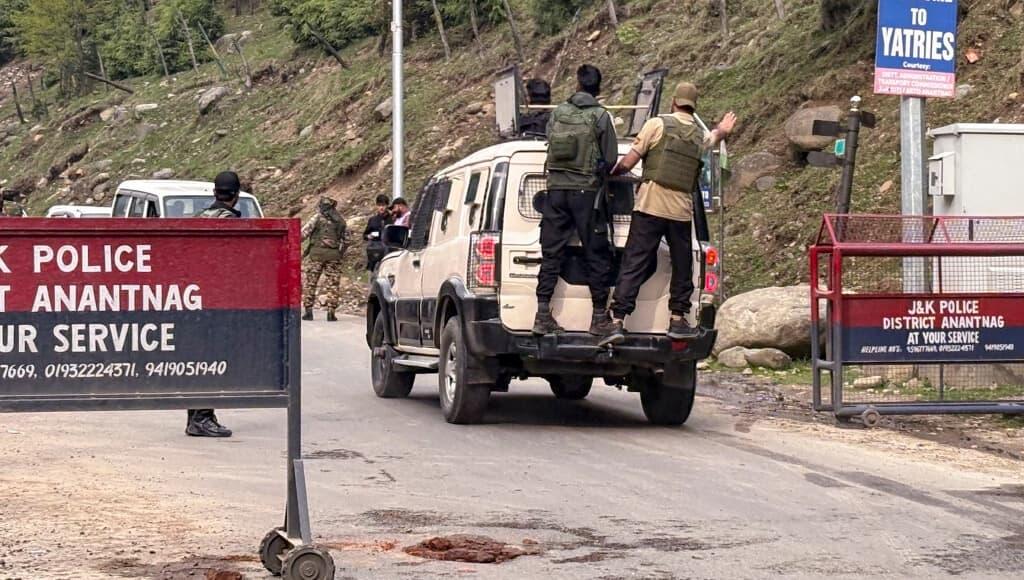
Kashmir after Anantnag and Kulgam For much of the period following the Pahalgam attack, the most striking feature of Kashmir's security landscape was the relative absence of major attacks. That did not mean the threat had gone away. The Valley remained heavily guarded, intelligence operations continued and security agencies maintained a close watch over areas that had, at different points, been active theatres of militancy.